
Our solutions
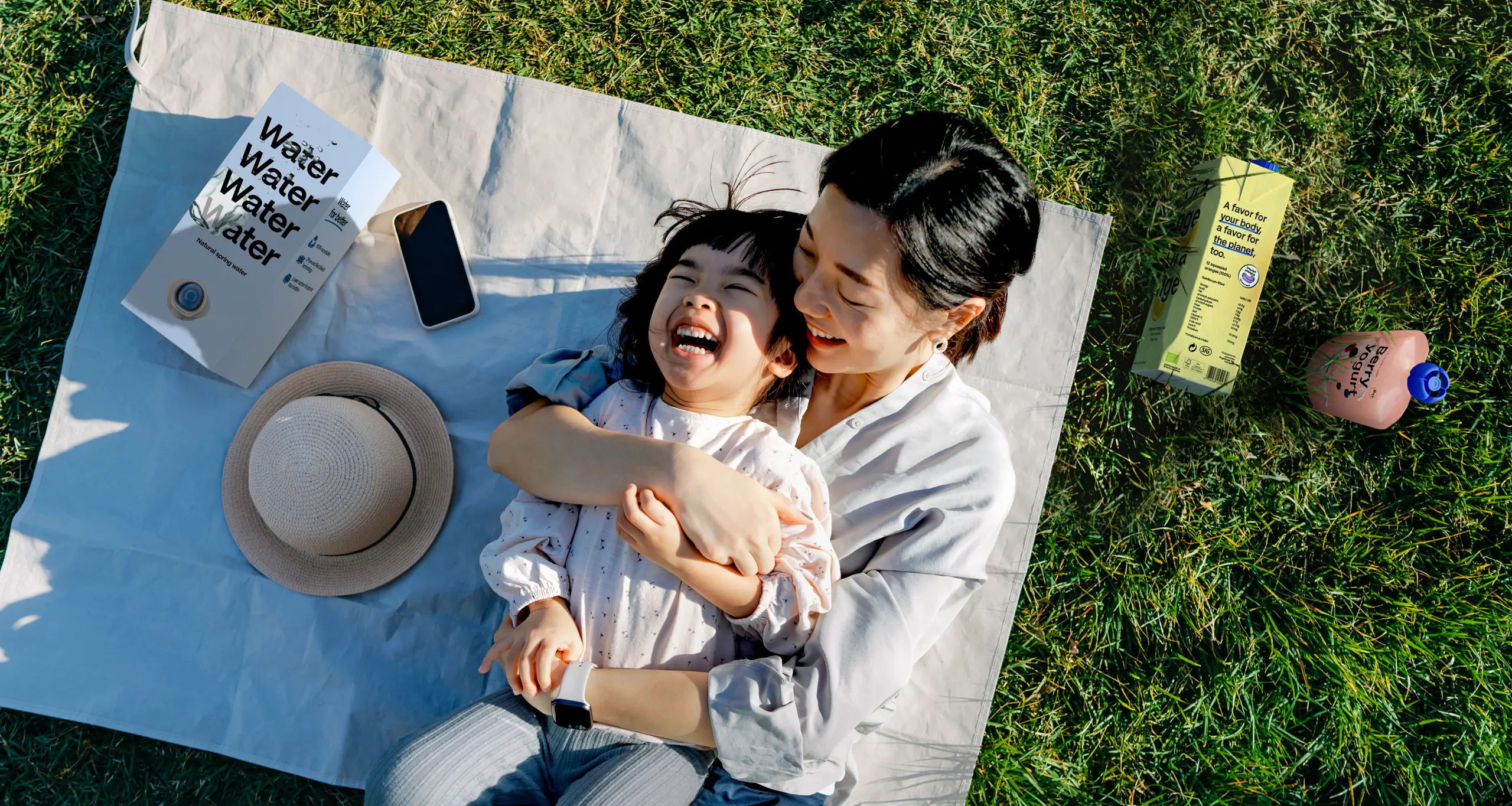
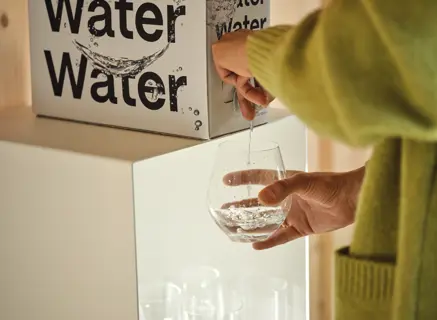
With our unique portfolio of carton, bag-in-box, and spouted pouch, we work in partnership with our customers to bring food and beverage products to consumers around the world in a safe, sustainable, and affordable way.


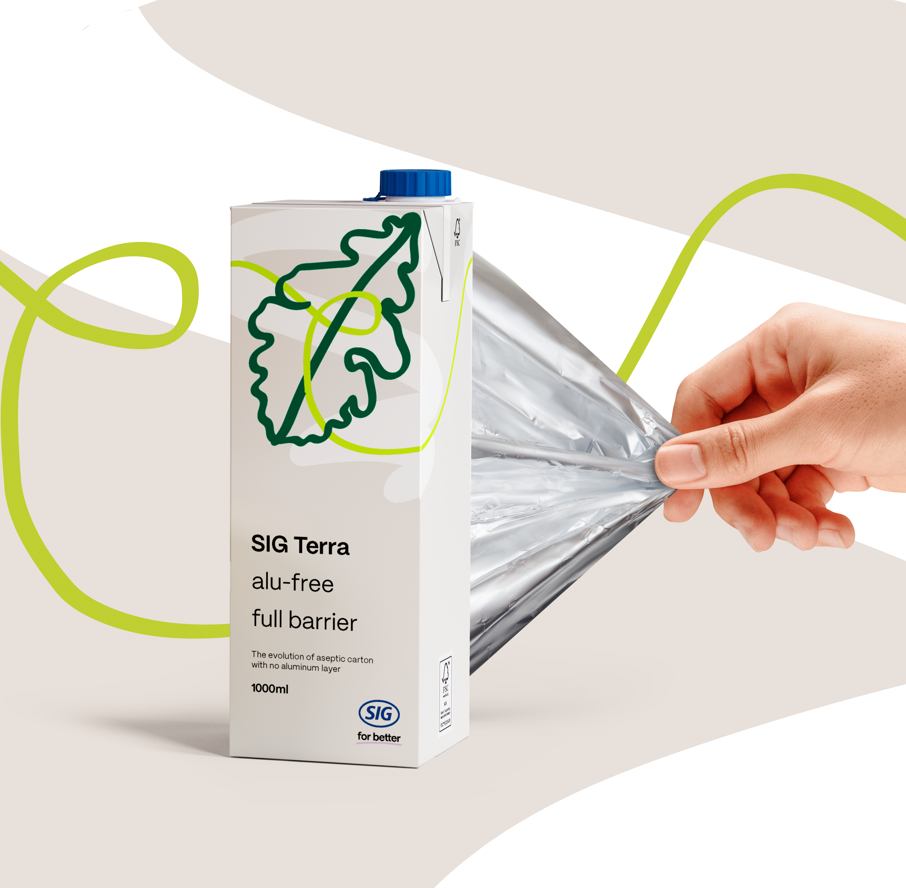
Choose better
Step into a more sustainable future with SIG Terra Alu-free + Full barrier – the leading solution for carbon-cutting, high-performance packaging.
Choose betterWe’re on a journey to create packaging for better
Packaging that gives more to people and the planet than it takes out.

Innovations

SIG DomeMini
Our on-the-go carton bottle offers a new drinking experience and helps reducing plastic.
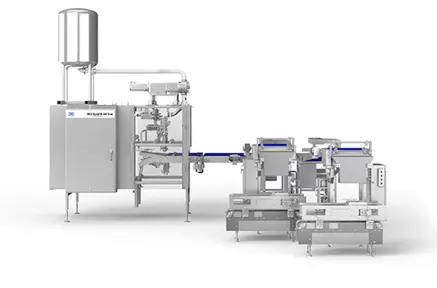
SIG SureFill 44
Fill bag-in-box packaging quickly and accurately with our automated, dual-lane filling solution.
Connect with us

Have a question or want to connect?
We’d love to hear from you. Simply fill out our contact form and we’ll get back to you shortly!

Stay connected. Stay ahead.
Follow us on LinkedIn to get the latest insights, news, and stories that shape our industry. Be part of the conversation.

Get latest insights right into your inbox
Sign up for our monthly newsletter. Join us on our journey of packaging for better.
Latest blog posts
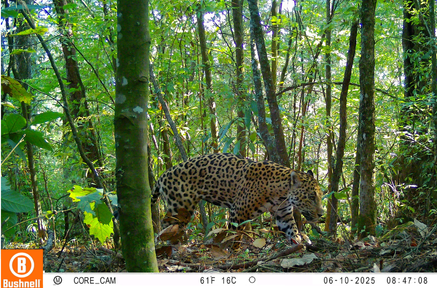
November 29, 2025
Forest freeways: Keeping nature connected
Now, imagine you're a jaguar — guided by instinct and bold by nature — but your path is suddenly blocked by roads, farms and fences. How do you survive when your world is chopped into scattered fragments?
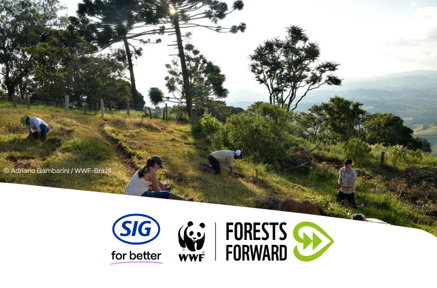
June 24, 2025
How WWF and SIG, together with 25 other leading companies, are working to help forests thrive
Together, these companies are helping conserve over 1.3 million hectares of forests and improving management across an additional 2.7 million hectares.
April 23, 2025
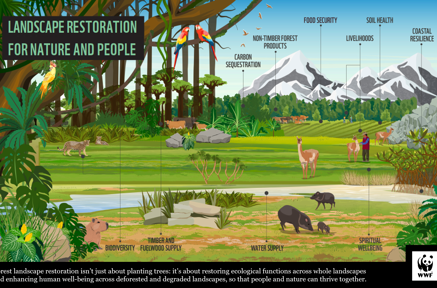
Beyond tree planting
Why companies should invest in landscape programmes for impact
Make your work matter for better

Find your career path at SIG
At SIG, we believe in driving change for better. We strive to create a positive impact for the society, guided by our sustainability goals.
CareersLatest press releases
May 19, 2026
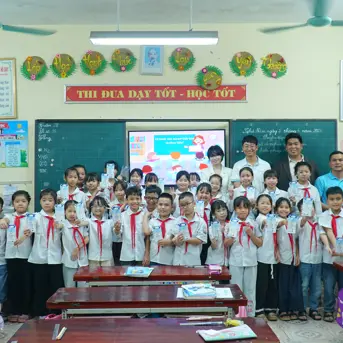
SIG expands “Recycle for Good” program to Vietnam, mobilizing schools to collect and recycle used milk cartons
SIG, a leading solutions provider of packaging systems with a unique portfolio of aseptic carton, bag-in-box, and spouted pouch, is expanding its “Recycle for Good” program to Vietnam, bringing a proven, education-led model for carton collection and recycling to Bac Ninh, one of the country’s fastest-growing regions. SIG, a leading solutions provider of packaging systems with a unique portfolio of aseptic carton, bag-in-box, and spouted pouch, is expanding its “Recycle for Good” program to Vietnam, bringing a proven, education-led model for carton collection and recycling to Bac Ninh, one of the country’s fastest-growing regions. Supported by the SIG Foundation, the initiative is designed to drive behavioral changes, encourage the public to collect recyclable waste, to strengthen local recycling systems, and to contribute to a circular economy.
Ad hoc
April 28, 2026
Stable revenue and improved profitability
• Q1 2026 revenue at constant currency stable vs. Q1 2025 (constant currency and constant resin (0.2)%*)
• Q1 2026 reported revenue (4.2)% vs. Q1 2025
• Q1 2026 adjusted EBIT margin 13.4% up from 12.8% in Q1 2025
• Full year guidance maintained
• Capital Markets Day planned for October 27, 2026
April 28, 2026
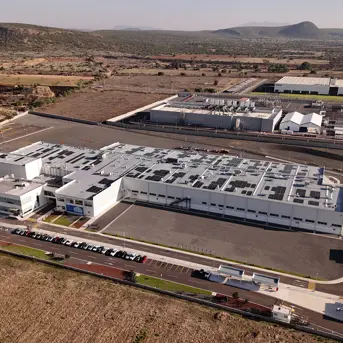
SIG announces plan to expand its plant in Querétaro to double its production capacity in North America
● In a phased approach, SIG plans to double the production capacity of its plant in Querétaro until 2028.
● The expansion would create approximately 40 new direct jobs and increase production capacity from 1.5 to 3 billion packages per year, strengthening SIG’s nearshoring strategy and improving efficiency in the regional supply chain.
Explore more


SIG Foundation
Strengthening civil society and creating positive impacts for the environment.