Aseptic packaging powering the rise of regional beverages
India’s beverage culture has always been deeply regional. What people drink in one part of the country rarely looks the same somewhere else.

Vandana Tandan is the Head of Market, Commercial and P&L Leader at SIG Group in India & Bangladesh, with over 30 years of experience driving market expansion, business growth and strategic transformation. With extensive expertise across the food and beverage and B2B sectors, she brings a strong understanding of customer needs, market dynamics and the evolving business landscape. Since joining SIG India in 2018, Vandana has been instrumental in strengthening the company’s presence in the Indian market, building strategic customer partnerships and driving sustainable, profitable growth.
Her leadership spans sales, marketing, business development, supply chain, finance and service, enabling her to develop integrated strategies that create long-term value for customers and SIG business.
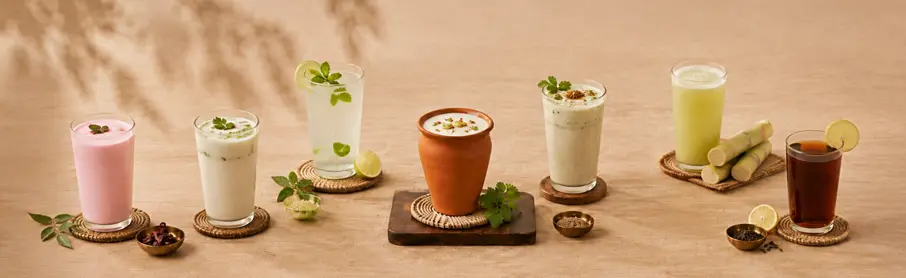
In Maharashtra and Goa, sol kadhi is part of everyday meals. In Gujarat, chaas and piyush dominate summers and festive occasions alike. North India leans on nimbu paani and lassi, while Kashmir has long embraced kahwa. Hyderabad’s Irani chai, Kerala’s spiced buttermilk, the North’s sugarcane juice stalls, and the black, citrusy sulemani chai of the Malabar region all reflect how beverages in India are shaped by geography, climate, ingredients, and cultural habits.
“For decades, these drinks largely remained local favorites sold fresh through neighborhood vendors, homes, cafés, and small regional brands. But today, organized retail is beginning to see them differently, not as niche cultural products, but as scalable beverage categories catering taste buds across nation.”
A rising culture of functional drinks
India’s traditional beverages were never created only for refreshment. Most of them served a functional purpose long before “functional beverages” became a global wellness trend.
Masala chaas and buttermilk were consumed to cool the body and aid digestion. Sol kadi combined kokum and coconut to support gut health in coastal regions. Nimbu paani balanced hydration and electrolytes during extreme heat. Kahwa was associated with warmth and digestion, while sulemani chai was traditionally consumed after meals. Even sugarcane juice evolved as an instant energy drink suited to Indian summers.

This consumer preference for beverages that combine familiarity with functionality is now becoming increasingly visible at a market level as well. According to Future Market Insights, the global functional dairy products market continues to expand rapidly, with India emerging as one of the key growth markets driven by health-conscious consumers seeking convenient and nutritious beverage options. Similarly, insights from Mordor Intelligence highlight the strong growth trajectory of India’s dairy and value-added beverage segments, fueled by urbanization, changing consumption habits, and demand for packaged products with longer shelf life.
“Consumers today are increasingly seeking beverages that combine taste, familiarity, and wellness. India’s regional drinks already sit naturally at that intersection.”
Yet despite their popularity, most regional beverages remain absent from modern retail shelves beyond their home markets. This is not because demand does not exist. It is because the infrastructure required to scale fresh, preservative-free beverages across geographies has historically been limited.
The market is evolving
Traditional and regional beverages are no longer fringe categories. They are becoming organized, branded, high-growth segments where consumer familiarity already exists and only accessibility is catching up.

The structural challenge
The biggest barrier for regional beverages has always been scaling and shelf life. Most of these drinks are made from natural ingredients, are highly perishable, and depend heavily on refrigeration and local distribution.
This is precisely where aseptic packaging changes the equation.
Where SIG aseptic solutions come in
Aseptic packaging enables beverages to remain shelf stable for several months without preservatives or refrigeration, while retaining taste, nutritional value, and product quality. For beverages whose identity depends on freshness and authenticity, this becomes critical.
The flexibility of SIG aseptic carton formats also aligns naturally with Indian consumption habits. Family packs work well for products like buttermilk, lassi, or sol kadi consumed during meals at home. Single-serve formats such as SIG XSlimBloc are suited for on-the-go beverages like nimbu paani, jaljeera, sugarcane juice-inspired drinks, or regional tea formats increasingly moving into modern retail.

“This opens up entirely new possibilities for beverage brands. A drink traditionally sold only in one city or state can now travel nationally through general trade, modern retail, e-commerce, travel retail, and quick commerce channels.”
The result is a traditionally familiar Indian beverage transforms into a modern, shelf-stable functional drink that can be distributed nationally without refrigeration.
The opportunity ahead
India’s regional beverages have never lacked consumer acceptance. They have survived for generations because they are culturally rooted, functionally relevant, and deeply familiar.
What packaging is changing is not the drink itself, but its reach.
A sol kadi from the Konkan coast can now sit on shelves in Delhi. A regional chaas recipe can move beyond its home state. Kahwa, Irani chai, or street inspired beverages can travel through organized retail in formats suited to modern consumption.
The consumer appetite already exists. The retail demand is growing. The packaging infrastructure is ready.
“For beverage brands, the question is no longer whether regional Indian drinks can scale nationally. It is how quickly they can make that transition from local favorites to mainstream retail categories with the support of aseptic packaging solutions.”
- Bag-in-boxCartonSpouted pouch
- BeverageDairy & plant-basedFood
- сентябрь 15, 2026

Beyond the forest

Rethinking foodservice: How smart systems are shaping the industry