Successful sustainable packaging connects environmental benefits with personal wellness

It’s easy to perceive sustainability as an afterthought among today’s consumers. The flood of companies adopting new sustainability initiatives and pledges has slowed over the last few years, while shifting policy and economic priorities in the US have changed the sustainability conversation. And yet, consumer interest in sustainability has not disappeared, nor has the development of sustainable technologies, processes, and new product introductions across the food and beverage industry. Rather, consumers’ view of sustainability has broadened to include attributes beyond environmental impact.
Caleb Bryant serves as the North America Category and Insights Manager at SIG, where he helps translate consumer, product, and market signals into actionable growth strategies. He works across both CPG food and beverage and foodservice industries, identifying key trends shaping category performance and uncovering opportunities for innovation and expansion. His work helps bridge data and decision-making, enabling SIG and its business partners to stay ahead in a rapidly evolving marketplace.

For many, sustainability now encompasses not just carbon footprints and recyclability, but also includes concerns about personal health, wellness, sourcing, product performance, and value. This expanded view of sustainability opens the door for new product development that reaches a more diverse audience, including consumers who generally do not actively seek environmentally friendly products. Brands and manufacturers therefore have an opportunity to develop products, select packaging, and adopt processing technologies that address consumer needs and happen to be better for the environment.
Sustainability as a leading product claim may be less relevant today, but consumers remain dedicated to sustainable practices and express interest in sustainable products. A global survey of 7,500 consumers by Bain & Company found that 85% of respondents said they worry about environmental sustainability, an increase from a year prior1. Research from Mintel found that 36% of Millennials say they altered their food and drink purchases to reduce their carbon footprint2. Interest in sustainability remains strong, but how consumers view and practice sustainability has evolved past “what’s good for the environment” to “what benefits myself and my family”.
"According to Bain & Company, consumers often adopt sustainable habits for reasons beyond environmental concern, including affordability, health, personal preference, and convenience. Even in cases when environmental sustainability is not the primary motivation, consumers often still recognize it as an additional benefit."
Consumer priorities are reshaping the sustainability conversation
Consumers now directly link sustainability with attributes such as health and wellness. Organic regenerative beef, embraced by ranchers who avoid synthetic pesticides, fertilizers, and growth hormones, isn’t just valued for its environmental benefits, some consumers view it as a more natural nutritional alternative to conventional beef.

Similarly, aseptic carton packaging isn’t just a low carbon packaging solution for beverages; it appeals to consumers looking for convenient, high-nutrition content, on-the-go products for the gym or school. This growing connection between sustainability and overall wellness broadens the appeal of sustainable solutions that address multiple consumer needs.
"Aseptic technology provides multiple benefits, including enabling shelf-stable products that do not require refrigeration or preservatives during storage and transportation. By reducing dependence on the cold chain and extending product shelf life, aseptic technology combined with lightweight aseptic packaging and ambient distribution can reduce transport emissions, energy requirements, and food waste."
Aseptic packaging delivers benefits consumers can see and value
Aseptic technology also provides shelf-stability without the use of preservatives – an attribute highly appealing to the growing number of consumers avoiding ultra-processed foods. A longer shelf life allows consumers to stock up on products at home or safely pack their favorites to enjoy on the go without worrying about preservatives or refrigeration; 69% of consumers agree that they would pay more for packaging that extends the freshness of products2. Aseptic technology combined with aseptic packaging preserve nutrient retention, color, and vitamins of food and beverage products with minimal processing which is highly appealing to health-conscious consumers and parents ensuring their children meet their full nutrition requirements.
For food and beverage manufacturers, the opportunity is to offer products and packaging that deliver on multiple dimensions at once: environmental impact, product quality, convenience, nutrition, shelf life, and value.
SIG’s aseptic technology and aseptic packaging solutions are designed around this intersection. By combining product protection, long shelf life, and ambient distribution with packaging systems engineered for efficient resource use and reduced food waste, SIG can help brands offer products that deliver meaningful benefits for both consumers and the planet. As sustainability continues to evolve beyond a single environmental claim, the most compelling solutions may be those that make sustainable choices feel less like a trade-off and more like a better product.

"If you’d like to learn more and will be in Chicago for Pack Expo from October 18-21, 2026, visit SIG at booth W-42012. We look forward to seeing you there."
1 Bain & Company. For Consumers, Sustainability Isn’t Gone, But It Is Changing. September 2026.
2 Mintel. Beverage Packaging Trends – US – 2026.
- Bag-in-boxCartonSpouted pouch
- BeverageDairy & plant-basedFood
- October 08, 2026
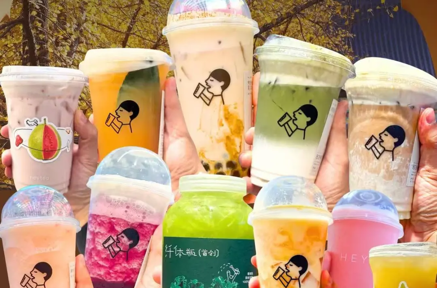
China’s fresh-made tea goes global: Key 2026 trends reshaping the international beverage market
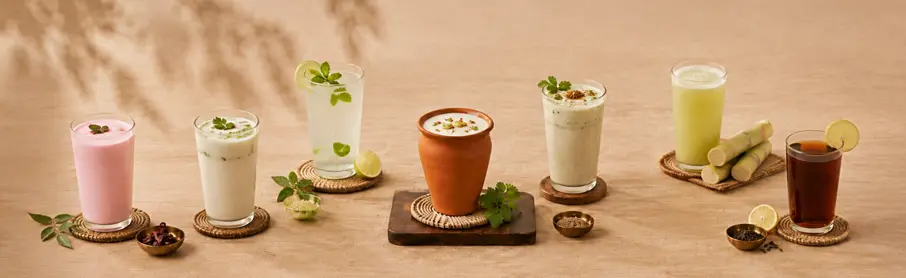
Aseptic packaging powering the rise of regional beverages