Beyond the forest
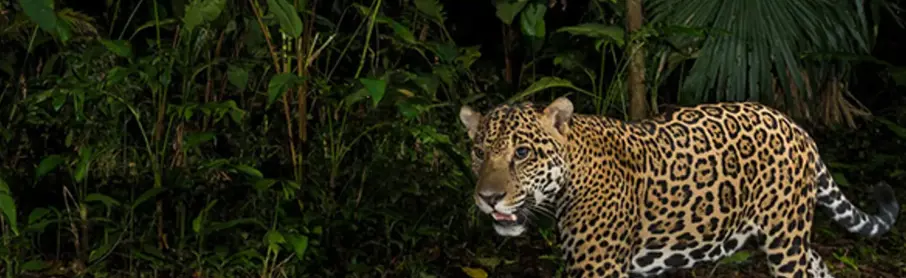
The jaguar is an umbrella species, conserving it means conserving large areas of forest and maintaining landscape connectivity; furthermore, its presence is often a sign that the ecosystem maintains suitable habitat conditions, resource availability, and ecological balance. These landscapes not only harbor extraordinary biological richness, they are also home to many communities that depend on the forests for their well-being.
WWF & SIG promote an Integrated Landscape Approach —a collaborative way of managing a territory that brings together multiple sectors and stakeholders to align conservation, sustainable production and community well-being.
WWF & SIG, a strategic alliance for integrated landscape management in the Central Pacific (CPL) region of Mexico
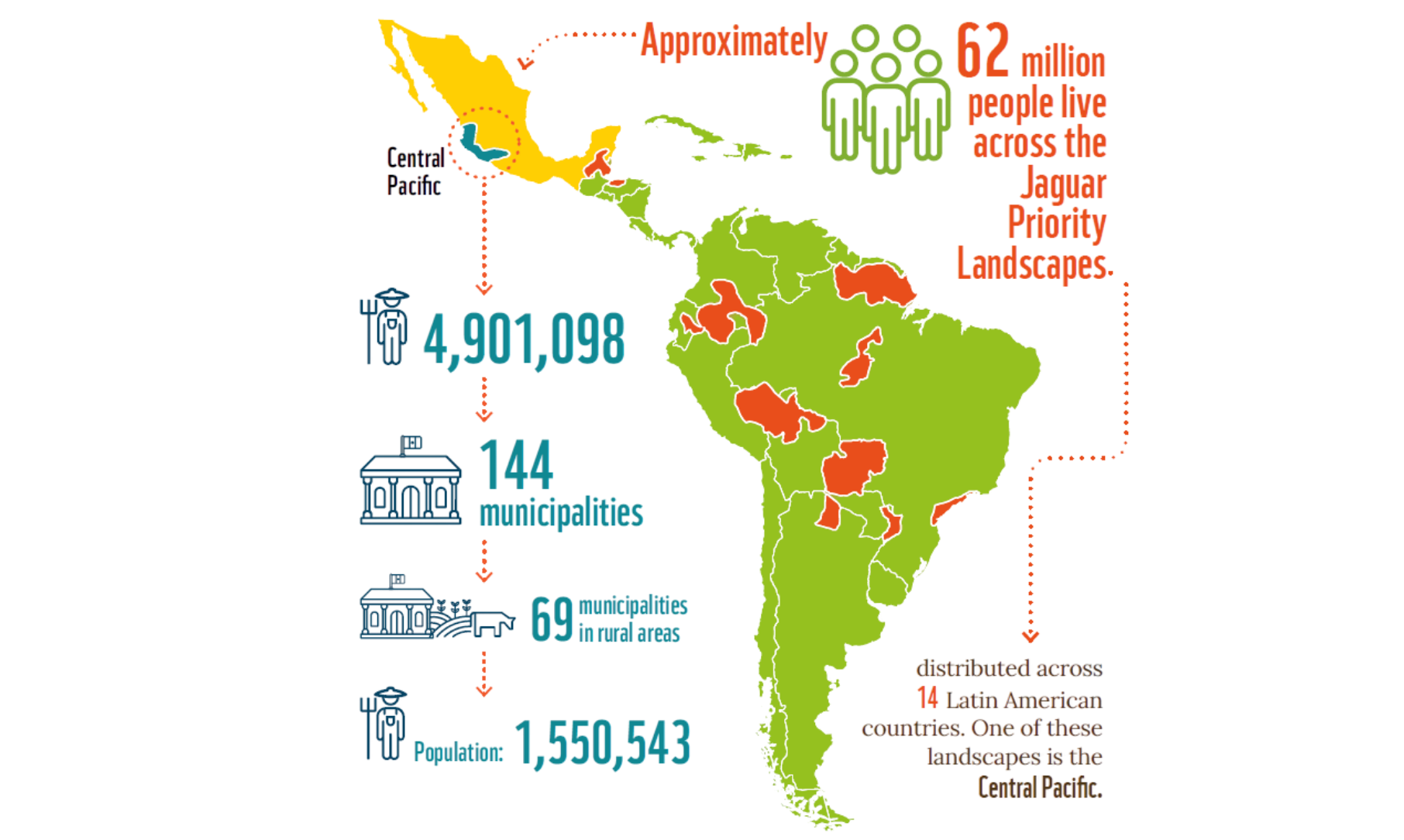
WWF’s Jaguar Conservation Strategy has identified 15 areas known as “Jaguar Priority Landscapes” which are key regions across Latin America that offer strategic opportunities to secure viable jaguar populations over the long term. Approximately 62 million people live within these landscapes, which span 14 countries across the region.
One of these landscapes is the Central Pacific region in western Mexico, where around 4,901,098 people live across 144 municipalities. Of these, 69 are located in rural areas, home to approximately 1,550,543 inhabitants who depend directly on the territory's natural resources —a number like the population of greater Zurich area, Switzerland.
In this context, WWF and SIG are implementing an integrated landscape management approach in the Central Pacific Landscape (CPL) of Mexico, addressing ecological, productive, and social dimensions to ensure the conservation of more than 100,000 hectares of critical jaguar habitat. This work is carried out through strategic actions that include biodiversity monitoring, sustainable livestock practices, strengthening local governance, and promoting coexistence between local communities and jaguars.
Jaguar and prey monitoring in Mexico’s Central Pacific Landscape (CPL)
The jaguar (Panthera onca) can inhabit a wide range of ecosystems, provided there is adequate forest cover and sufficient prey availability. In the states of Jalisco and Nayarit—comprising Mexico’s Central Pacific Landscape—the jaguar's distribution is concentrated in tropical dry and semi-deciduous forests, riparian vegetation, and oak, pine, and cloud forests.
Various methods are used to assess the status of jaguar populations within a region, the main one being indirect sampling through systematically placed camera traps at strategic points across the landscape. These monitoring efforts allow for the identification of jaguars and an estimation of their population size within a defined area.
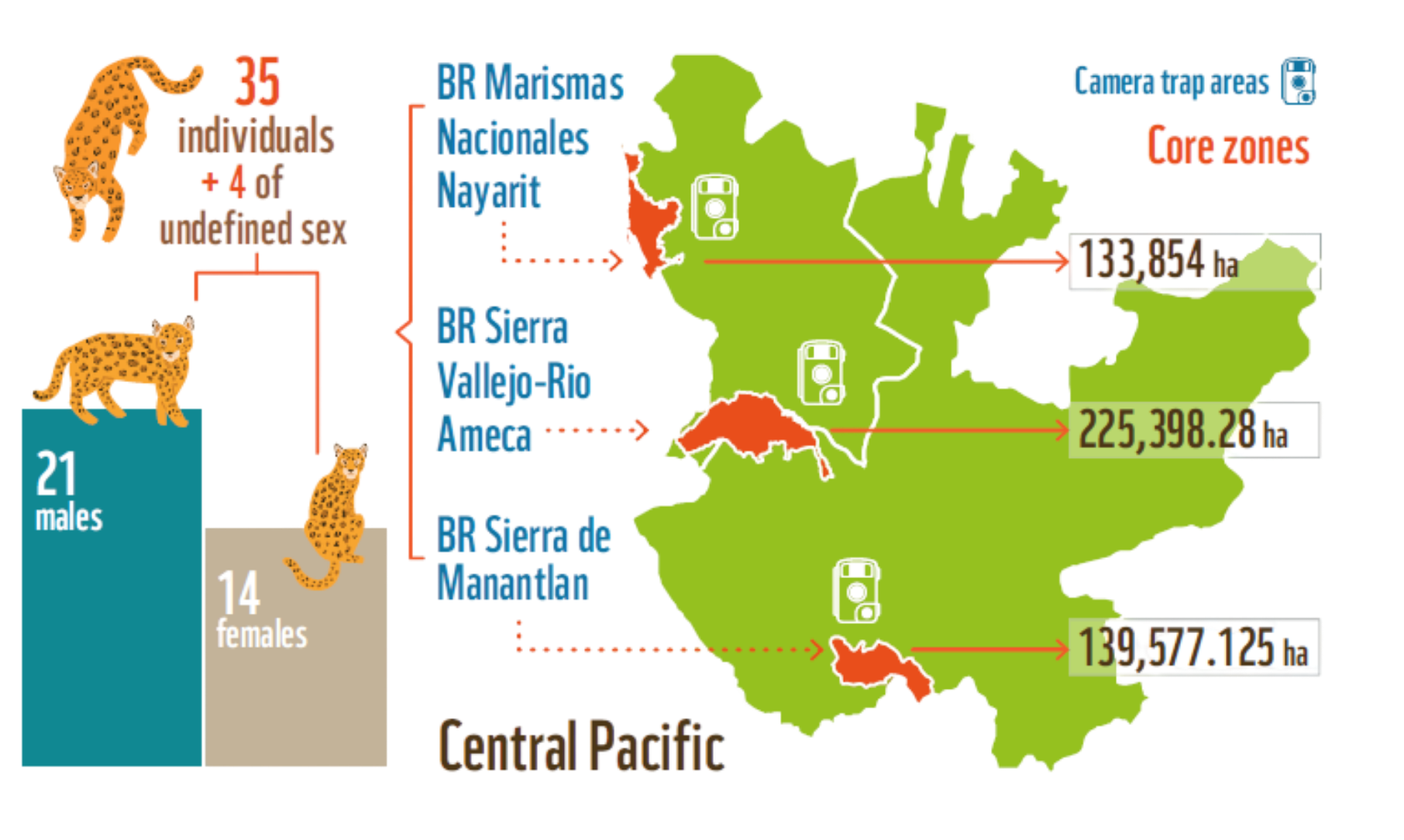
During 2025, monitoring was conducted in three Natural Protected Areas (NPAs) designated as Biosphere Reserves: Sierra de Manantlan, Marismas Nacionales Nayarit, and Sierra Vallejo-Río Ameca. These areas are considered core zones due to their higher jaguar densities and favorable habitat conditions. A total of 39 individuals were identified, including confirmation of 14 females. Results suggest that these three NPAs may harbor approximately 72 jaguars. Based on these estimates and additional monitoring in other parts of the landscape, a significant regional population of the species is projected in the Central Pacific. These results confirm the ecological need of securing and expanding the 100,000 hectares of habitat targeted under the project, while also helping identify priority areas where conservation, restoration, and coexistence actions are most needed to maintain viable jaguar populations across the landscape.
While biodiversity monitoring does not directly conserve forest areas on its own, it plays a critical role in guiding and strengthening the actions that do. As an umbrella species, the jaguar reflects the overall health, connectivity, and functionality of the ecosystem. Monitoring population trends, habitat use, and prey availability, provides essential evidence to identify priority areas for conservation, restoration, coexistence measures, and governance actions across the landscape. These data directly inform where sustainable livestock practices, corridor restoration, wildfire prevention, and community-based conservation efforts should be prioritized to maintain and improve forest integrity. In this way, biodiversity monitoring is a key enabling activity supporting the effective conservation and management of the 100,000 hectares of critical jaguar habitat targeted under the integrated landscape approach.
Strengthening governance
Conserving this Jaguar Priority Landscape requires coordinated action among various stakeholders, including Mexico's National Commission of Natural Protected Areas (CONANP), local communities and ejidos (communal landholdings), Intermunicipal Environmental Boards, academic institutions, and other government agencies. Through this collaboration, sustainable landscape management is promoted in a region critical for ecosystem service provision, maintaining vital regulating and provisioning services like watershed health, soil fertility, and food sources.
Actions include habitat conservation, wildfire prevention, training of personnel for monitoring and surveillance, and strengthening local capacities. Together, these efforts contribute to more effective territorial protection and long-term conservation outcomes.
Promoting human-jaguar coexistence
One of the greatest threats to the jaguar is human-wildlife conflict, which often occurs when predators prey on domestic livestock. This project aims to reduce such conflicts while safeguarding the livelihoods of local communities.
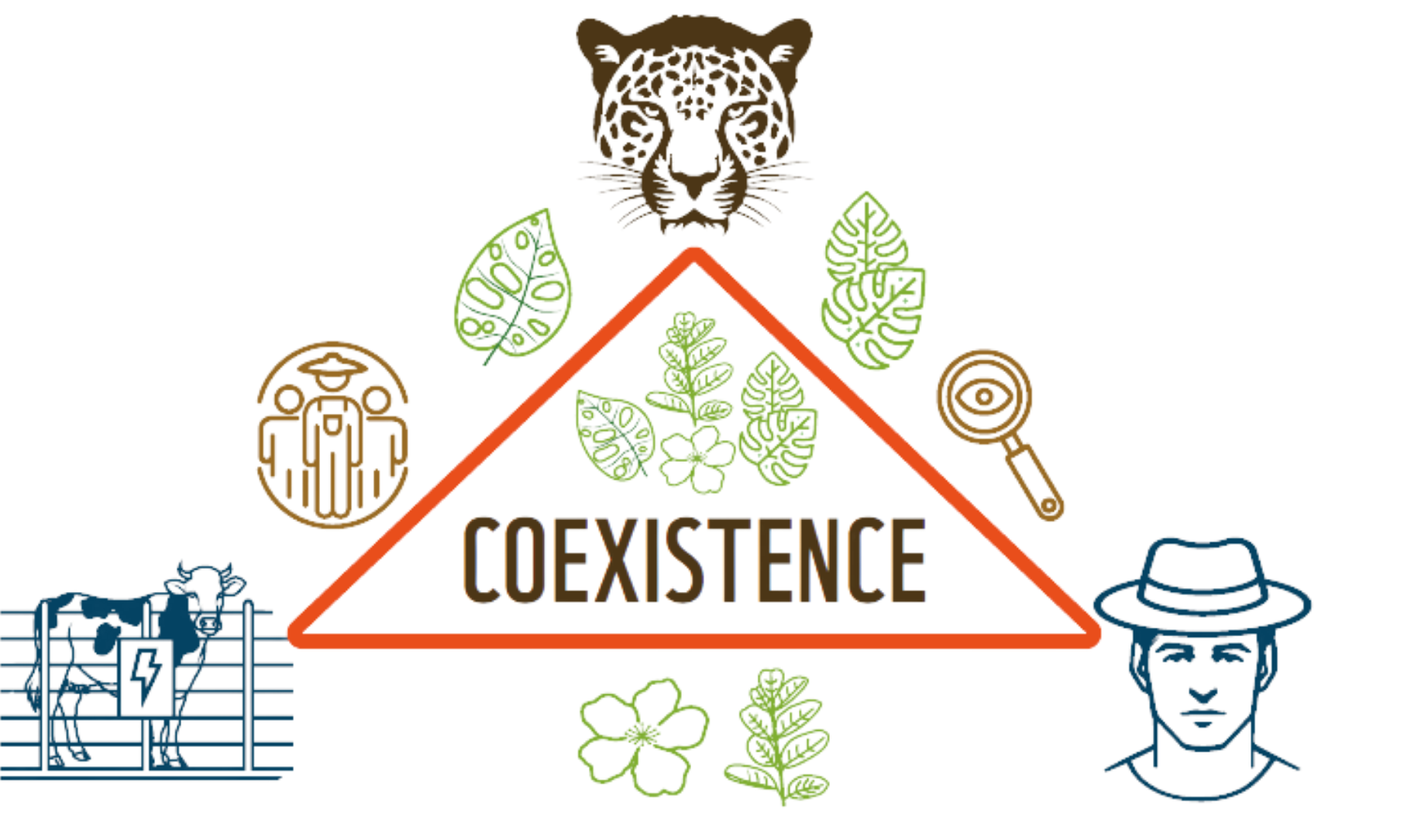
To achieve this, the transition to more sustainable livestock practices is promoted, reducing the likelihood of livestock depredation. Community monitoring and surveillance groups are also established to enhance local knowledge about jaguars and other natural resources, strengthen community participation, and foster more positive perceptions of wildlife.
Additionally, the project supports the restoration of key areas, including biological corridors, to maintain landscape connectivity. Ensuring that jaguars can move naturally, access refuge, and find wild prey helps reduce negative encounters and supports long-term coexistence.
Through the WWF & SIG partnership, efforts focus on protecting jaguar connectivity areas and promoting the effective conservation of 100,000 hectares through community engagement and interinstitutional collaboration. Protecting the jaguar means protecting its ecosystem—and caring for the environment ultimately means caring for people.
- August 18, 2026

China’s fresh-made tea goes global: Key 2026 trends reshaping the international beverage market

Aseptic packaging powering the rise of regional beverages