

生物多样性与自然
生物多样性是指一个区域内所有不同种类的生命--动物、植物、真菌甚至微生物。生物多样性对于支持我们生存所需的一切自然要素(如食物、清洁水、药物和住所)至关重要。
但是,世界自然生态系统正在以前所未有的速度衰退,自 1970 年以来,野生动物数量平均减少了 69%1 。这正在削弱地球提供关键服务的能力,包括减缓和适应气候变化。
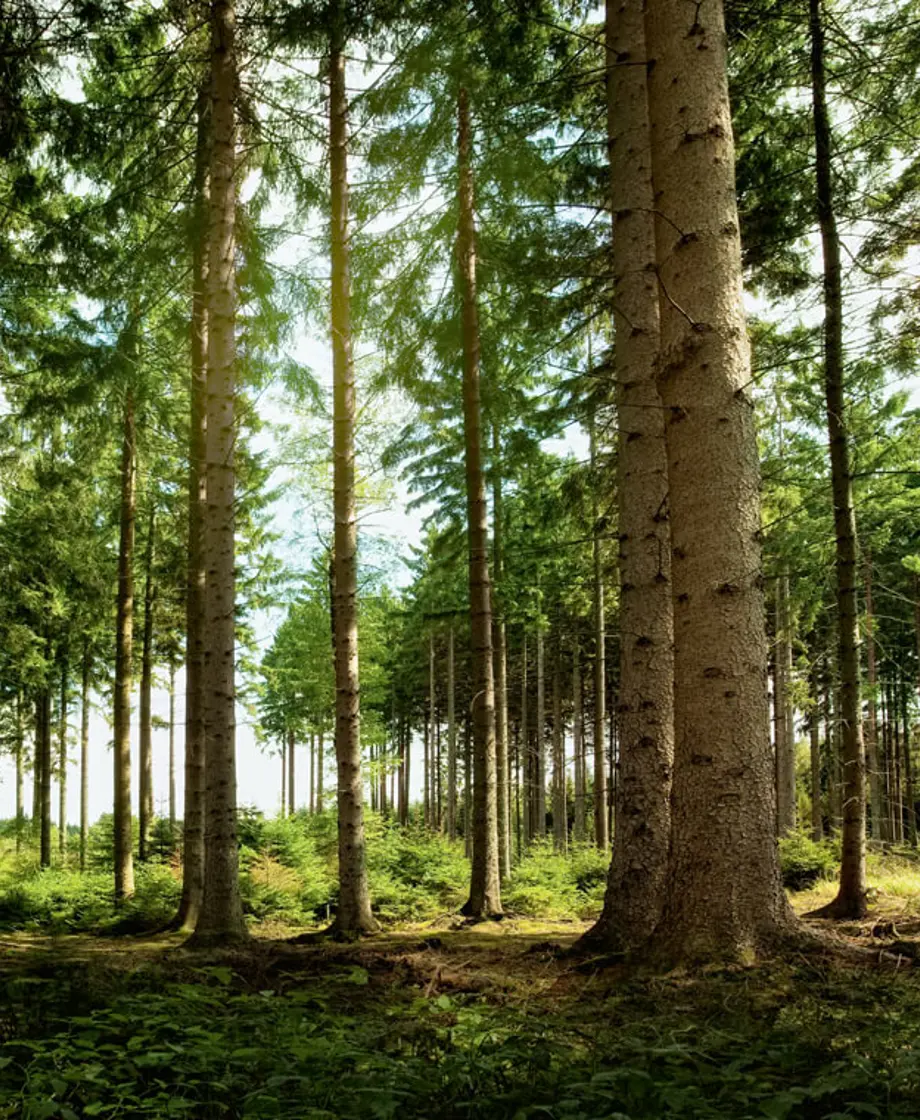
我们的业务依赖于大自然及其提供的生态系统服务。以森林为原料的纸板是我们纸箱的主要原材料,而客户使用我们的包装运送的食品则是由来自农田的原料制成的。
我们需要在 2030 年之前阻止并扭转生物多样性的丧失1 ,为今世后代保护地球。在 SIG,我们认识到我们有责任保护价值链内外的重要生态系统。
我们如何努力保护和恢复生物多样性
为地球带来再生影响是我们实现净积极目标的基础。我们管理供应链中的生物多样性影响,并在运营中使用世界自然基金会的风险过滤器和科学目标网络 (SBTN) 的工具评估生物多样性风险。
我们通过四个相互关联的净积极行动领域,为扭转生物多样性丧失的全球目标做出贡献,并为大自然创造积极成果。
Measures we take
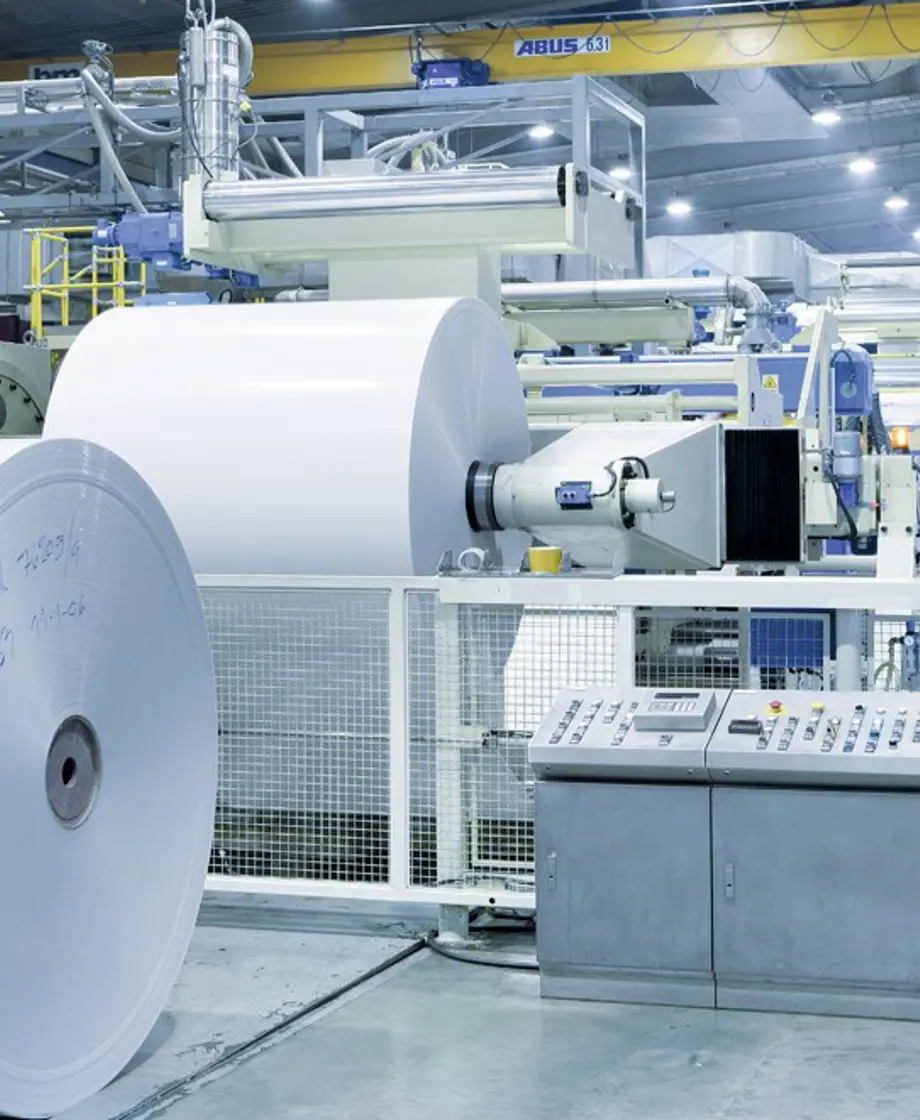
For our operations, which are predominantly situated in industrial zones, we safeguard biodiversity protection through our local EHS environmental assessments under ISO 14001 and the WWF Risk Filters on Water and Biodiversity.
We joined the Science Based Targets Network (SBTN) in 2023 to align our approach with the Kunming-Montreal Biodiversity Framework and its goals.

We performed an in-depth assessment of potential value chain impacts on the five nature pressures (land use and land use change, water use, soil pollution and water pollution) for our supply chain to effectively address impact reduction at scale, in line with the guidance of the SBTN.

We are reviewing our nature-related sourcing requirements in line with identified nature pressures.
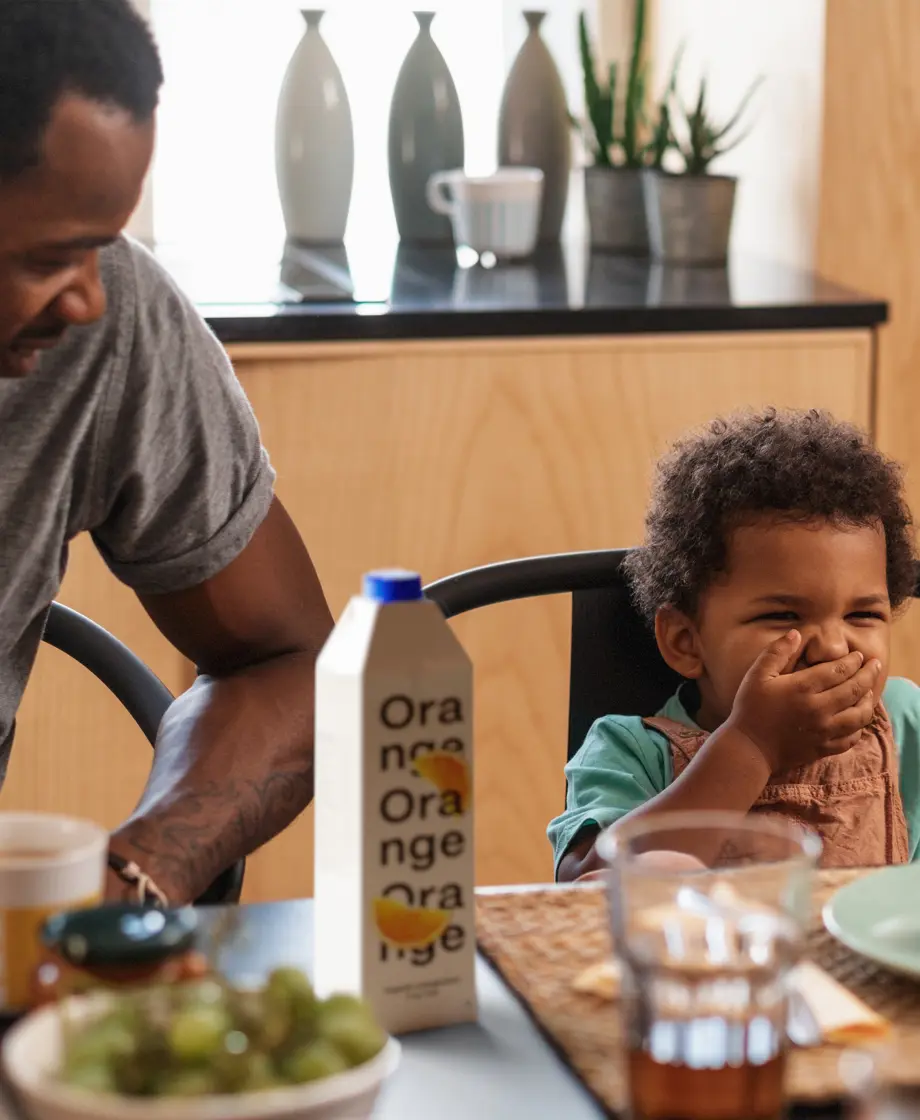
To enhance consumer choice through improved information, we partner with SHINE including the integration of biodiversity loss data in alignment with the Kunming-Montreal Global Biodiversity Framework.
All efforts toward our commitments additionally contribute to our efforts to reduce biodiversity loss primarily by delivering products with a lower environmental impact, but also by diverting used packaging from ending up in nature through collection and recycling.