New phase of the “Ethical Protocol for the Recyclable Materials Value Chain” strengthens ethical recycling in Brazil
SIG, a leading packaging system solutions provider, announces the new phase of the “Ethical Protocol for the Recyclable Materials Value Chain” (the “Ethical Protocol”), a collaborative initiative developed by companies, cooperatives, civil society organizations and government entities to promote a more ethical, inclusive and transparent recycling value chain in Brazil.
As one of the organizations that has supported the initiative since its development, SIG has helped advance the Ethical Protocol and continues to contribute to its implementation, building on its long-standing work to strengthen recycling systems and the socioeconomic inclusion of waste pickers in Brazil. The result of more than three years of joint development, the Ethical Protocol is now entering its implementation phase, marked by the adoption of practical tools designed to strengthen governance, traceability, decent working conditions and the dissemination of best practices throughout the value chain.
Since the beginning of this year, the initiative has welcomed Nestlé as a co-investor, expanding the group of organizations committed to its implementation. The Ethical Protocol also brings together partners that have participated since the earliest discussions, including so+ma, Instituto Recicleiros, Earthworm Foundation, Menos 1 Lixo, Yattó, and the State Secretariat for Sustainable Development of Paraná.
The main milestone of this new phase is the implementation of the Cooperative Guide, a tool developed to support the management improvement of waste picker cooperatives while generating evidence to continuously enhance the Ethical Protocol itself.
The initiative expects to engage more than 200 cooperatives by the end of 2026 through assessment, monitoring and follow-up processes, establishing one of Brazil's largest coordinated initiatives dedicated to strengthening the ethical management of recycling cooperatives.
In addition to implementing the Cooperative Guide, the Ethical Protocol continues to evolve as a reference model for the recyclable materials value chain. Its framework includes a governance structure, shared ethical principles and criteria applicable across all stakeholders, as well as specific standards for cooperatives, recyclers, producer responsibility organizations, brands and consumers. It also provides implementation guides to support the adoption of best practices by each stakeholder group.
Another important development in this new phase is the strengthening of the initiative's governance, expanding its representativeness through the participation of new partners and continuous consultation with different stakeholders across the value chain. This process aims to establish a permanent platform for collective collaboration, capable of developing solutions to shared challenges while fostering a more ethical, resilient and circular recycling value chain.
This year, the initiative is also expanding its reach through a Cooperation Agreement signed between the Pará State Secretariat for Environment, Climate and Sustainability (SEMAS) and Yattó. The partnership establishes the Ethical Protocol's principles and guidelines as a technical reference for cooperative capacity-building, traceability initiatives and circular economy projects throughout the state, strengthening sustainable waste management and promoting more ethical, inclusive and transparent recycling systems.
Isabela De Marchi, Sustainability Manager for South America at SIG. “Building a more ethical recycling value chain requires collective commitment. Companies, cooperatives, governments and civil society organizations all play complementary roles in this transformation, which can only happen through collaboration, transparency and a shared long-term vision. The Ethical Protocol embodies this alignment and provides a pathway to strengthen the circular economy with a focus on social inclusion, respect for human rights and sustainable development.
As the Ethical Protocol advances into its consolidation phase, additional organizations are expected to join this collective effort, expanding the initiative's reach and strengthening its ability to transform Brazil's recyclable materials value chain.
The journey behind the Ethical Protocol
SIG's commitment to ethical recycling predates the creation of the Ethical Protocol itself. For more than a decade, the company has been developing initiatives focused on strengthening selective waste collection, promoting the socioeconomic inclusion of waste pickers, and building more responsible recycling value chains alongside partners such as SO+MA and Instituto Recicleiros, where SIG is a seed investor. These experiences generated valuable insights that helped shape the Ethical Protocol and continue to support its implementation.
One of the leading examples is SIG's partnership with Instituto Recicleiros, which brings together municipalities, cooperatives and other stakeholders to establish selective waste collection systems based on permanent public policies, adequate infrastructure and fairer working conditions for waste pickers. The program currently operates in 15 municipalities, serves more than 1 million people, supports 279 workers, and has recovered 24,700 tonnes of recyclable materials since 2019. By 2032, the initiative aims to expand to 60 municipalities, reach approximately 3 million people, create around 3,000 jobs, and recover 460,000 tonnes of recyclable materials.
As part of these efforts, SIG has also contributed to implementing the Ethical Protocol's principles through several regional initiatives. The company participated in the first phase of the Ethical Protocol's development and implementation in partnership with the Government of Paraná and later collaborated with the Government of Pernambuco and Instituto Recicleiros to launch the Recicla+ Pernambuco program, which focuses on strengthening selective waste collection and recycling throughout the state.
Through this partnership, the Government of Pernambuco also established clear criteria for recognizing reverse logistics credits linked to social and environmental outcomes, providing legal certainty and incentives for companies required to meet their extended producer responsibility obligations. New integrity criteria were introduced to encourage practices that ensure minimum standards for decent work and safety for waste pickers, including fair remuneration, occupational health and safety, and social protection—principles that are fully aligned with the Ethical Protocol for the Recyclable Materials Value Chain.
About SIG
SIG is a leading solutions provider of packaging for better – better for our customers, for consumers, and for the world. With our unique portfolio of aseptic carton, bag-in-box, and spouted pouch, we work in partnership with our customers to bring food and beverage products to consumers around the world in a safe, sustainable, and affordable way. Our technology and outstanding innovation capabilities enable us to provide our customers with end-to-end solutions for differentiated products, smarter factories, and connected packs, all to address the ever-changing needs of consumers. Sustainability is integral to our business, and we strive to create a regenerative food packaging system.
Founded in 1853, SIG is headquartered in Neuhausen, Switzerland, and listed at the SIX Swiss Exchange. The skills and experience of our approximately 9,700 employees worldwide enable us to respond quickly and effectively to the needs of our customers in over 100 countries. In 2025, SIG produced around 54 billion packs and generated €3.2 billion in revenue. SIG has an AAA ESG rating by MSCI, a Platinum CSR rating by EcoVadis, and is included in the FTSE4Good Index. For more information, visit www.sig.biz
Your contact for media inquiries:
Aline Silva
Communication Manager at SIG
Tel: +55 (11) 97578-4971
Email: aline.silva@sig.biz
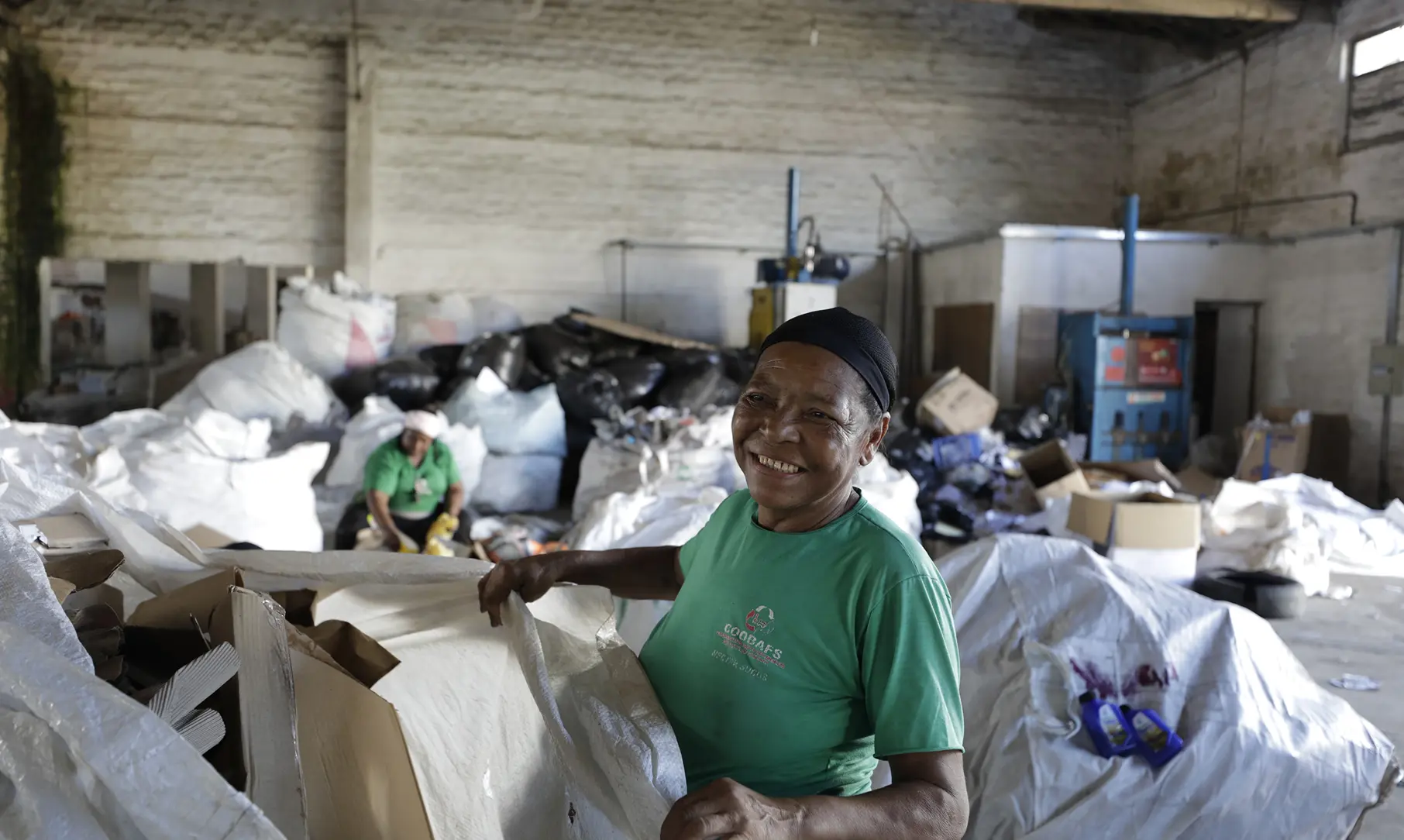
SIG is advancing the implementation of the Ethical Protocol for the Recyclable Materials Value Chain in Brazil, a collaborative initiative that brings together companies, cooperatives, civil society organizations and government entities to promote a more ethical, inclusive and transparent recycling value chain.
Photo: SIG