
Forest Stewardship Council™ (FSC™)
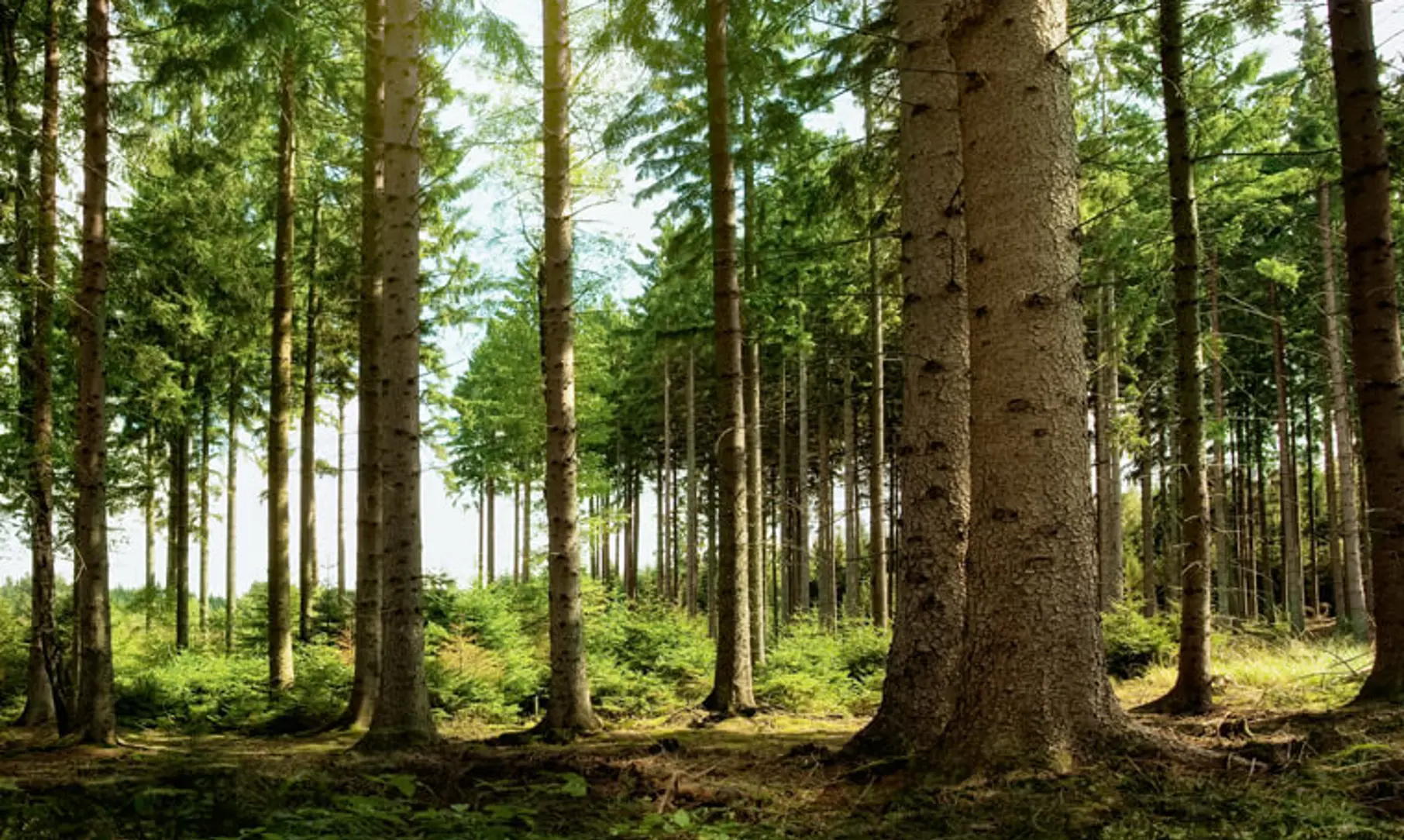
The Forest Stewardship Council™ (FSC™) (SIG licence code: FSC™ C020428) defines standards for responsible forest management in consensus with social, economic and environmental stakeholders which are represented in three membership chambers. National FSC organizations create standards to reflect specific forest types, country situations and national stakeholder needs. The FSC™ system operates basically through two linked certification types: Forest Management (FM) certification, which verifies that a forest is managed responsibly according to principles and criteria of FSC™, and Chain of Custody (CoC) certification for the traceability of FSC™-certified material along the value chain. For value chains which cannot reach a 100% FSC certified material input, FSC provides the option to mix in material from other controlled sources. The verification of controlled sources is defined in the FSC controlled wood standard. Certifying bodies can accredit for FSC certification and are then allowed to certify forest owners and companies by verifying through audits that they are compliant with the FSC standards.
What are the FSC™ standards?
The open and transparent standards of FSC™ include safeguards to ensure that forest owners and companies throughout the forest supply chain live up to the principles that protect healthy and resilient forests.
The 10 FSC™ principles
Developed to be relevant to different kinds of forest ecosystems and in diverse cultural, political, and legal settings, they require any managers of certified forests to:
- comply with all applicable laws;
- maintain or improve the social and economic well-being of workers;
- uphold the rights of Indigenous Peoples;
- maintain or improve the social and economic well-being of local communities;
- manage their products and services in a way that maintains or improves their long-term economic viability, social benefits, and environmental benefits;
- maintain, conserve, and/or restore the ecosystem services and environmental values of managed forests; and also avoid, repair, or mitigate negative environmental impacts;
- establish a management plan that outlines their economic, environmental, and social policies and objectives;
- demonstrate progress toward meeting these objectives;
- maintain or improve high conservation values;
- ensure that all management activities comply with FSC™ principles and criteria.
Complete descriptions of these principles and the criteria that determine whether the principles are being followed can be found here.
As the only ISEAL code-compliant forest certification system, the standards of FSC™ exemplify international best practice. ISEAL is the global association for voluntary sustainability standards.
How is a forest FSC™ certified?
Certification is performed by independent, third-party Certification Bodies, not by FSC™ itself. Certification Bodies must be accredited at FSC and are supervised by the FSC organization. A forest owner applies to a Certification Body, undergoes an on-site audit, and receives a certificate valid for five years if compliant, with annual audits thereafter. A certification can cover single organizations, multi-site organizations (multi-site certificate) or a group of independent organizations (group certificate). A chain of custody certification allows three different tracking models for certified materials (transfer, credit and percentage). Material inputs can come from FSC™-certified forests, reclaimed sources, or controlled-wood sources.
Only certified entities may use the FSC™ label and make FSC™ claims on products which connect to certified inputs, ensuring traceability from forest to market.

Who governs FSC™?
FSC™ is governed by its members through a balanced voting system that gives equal weight to environmental, social, and economic interests. Its unique governance model unites 1,200+ members – from Indigenous Peoples to global companies – through equitable voting to represent environmental, social, and economic perspectives. This enables democratic decisions that drive lasting solutions for forests, people, and business.
National FSC organizations are established to reflect country and forest specific needs in forest management standards.
What is the FSC™ label?
The most visible symbol of certification is the FSC™ label, which can be found on millions of products and is recognized by 56 per cent of consumers around the world (GlobeScan Global Consumer Research, August 2021).

Every FSC™ label is backed by a diverse ecosystem of forest managers, businesses, nonprofit organizations, and others committed to upholding a common set of responsible forestry standards that support:
- zero deforestation
- safeguarding of ancient and endangered forests
- fair wage and work environment
- biodiversity preservation
- community rights, including the rights of Indigenous Peoples.
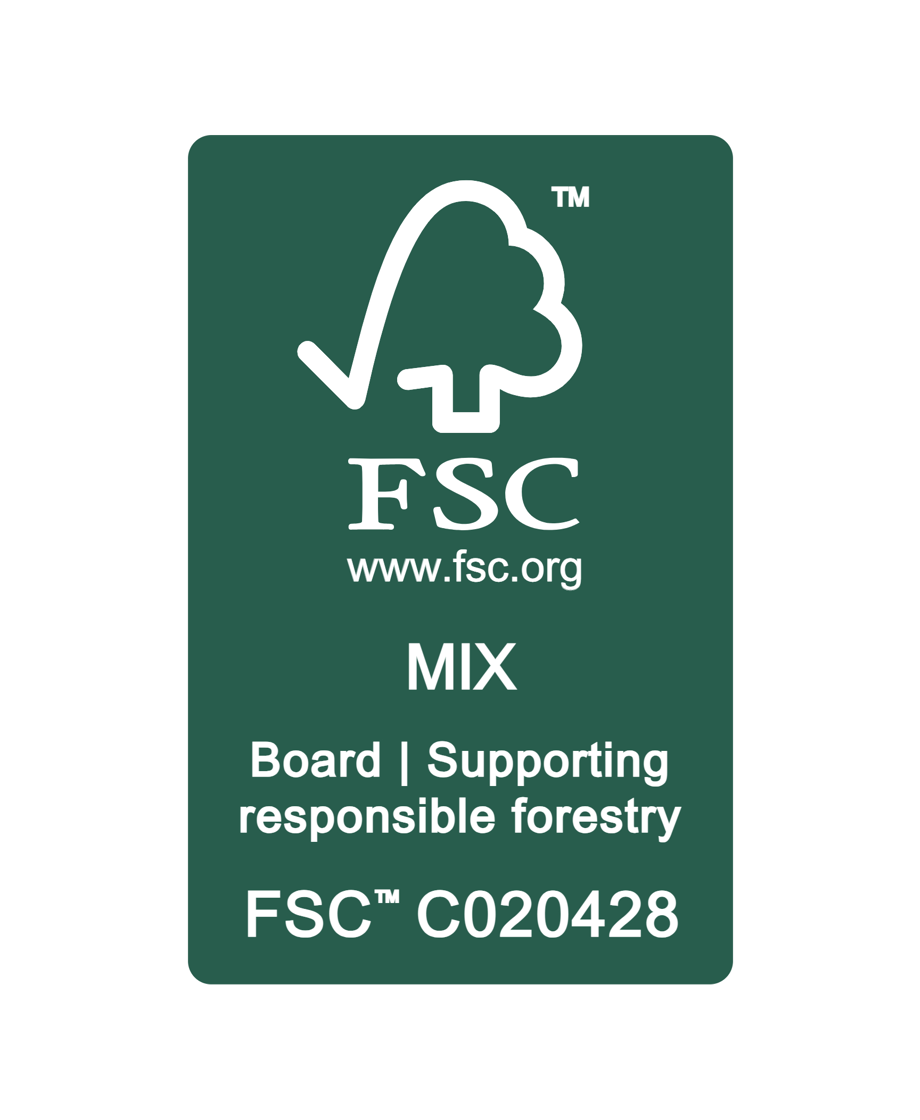
What is the FSC™ Mix label?
The product is made with a mixture of materials from FSC™-certified forests, recycled materials, and/or FSC™-controlled wood. While controlled wood doesn’t come from FSC™-certified forests, it mitigates the risk of the material originating from unacceptable sources like illegal logging.