

From nature to nutrition

Our four action areas
We focus our efforts on creating long-term value and a regenerative packaging system across four key areas where we have the biggest levers for systemic change.
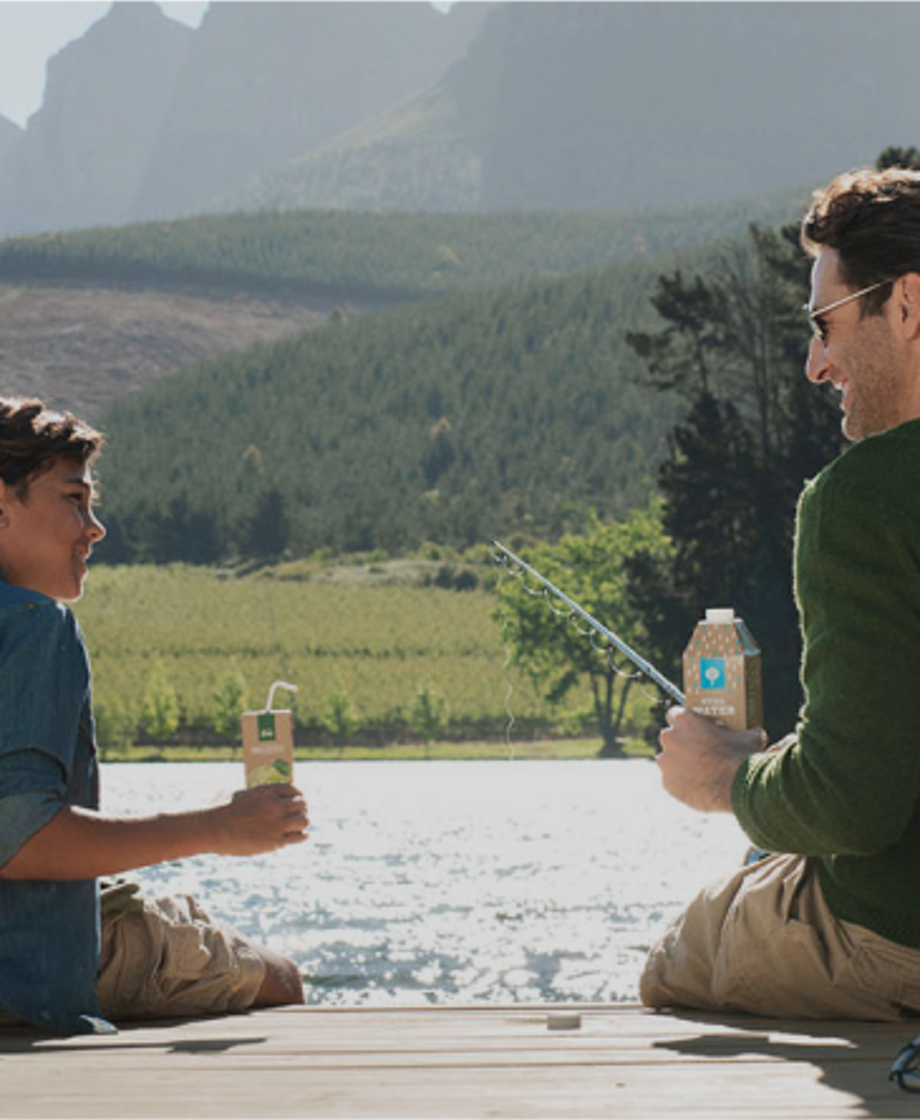
Climate
We aim for packaging solutions that reduce emissions and commit to decarbonizing our value chain in line with climate science, while enabling carbon emission savings beyond our value chain.

Nature
SIG is committed to leading the way in creating regenerative packaging solutions which contribute to halting and reversing of biodiversity loss, fostering a shift to a nature-positive economy.
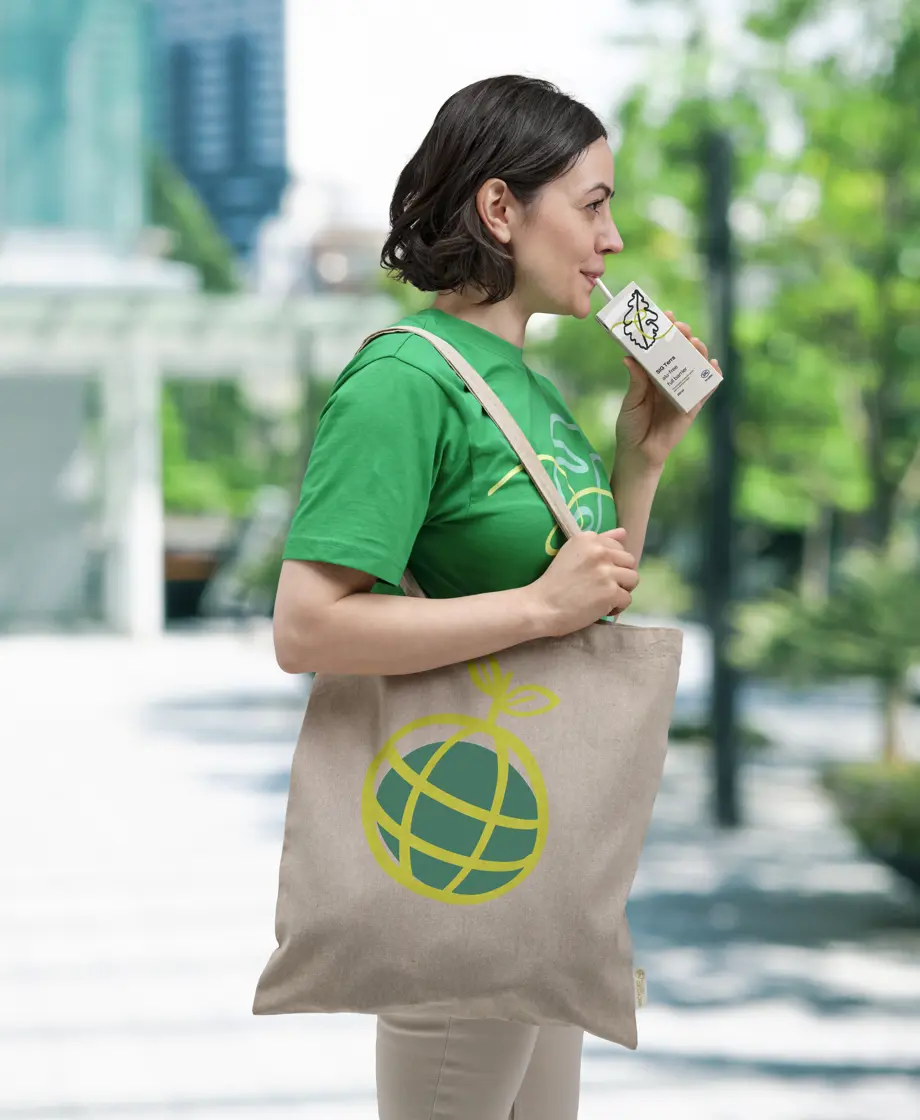
Resource
Our ambition is to maximize renewable content, accelerate material recovery, and drive innovation so materials remain in use through effective recycling pathways.
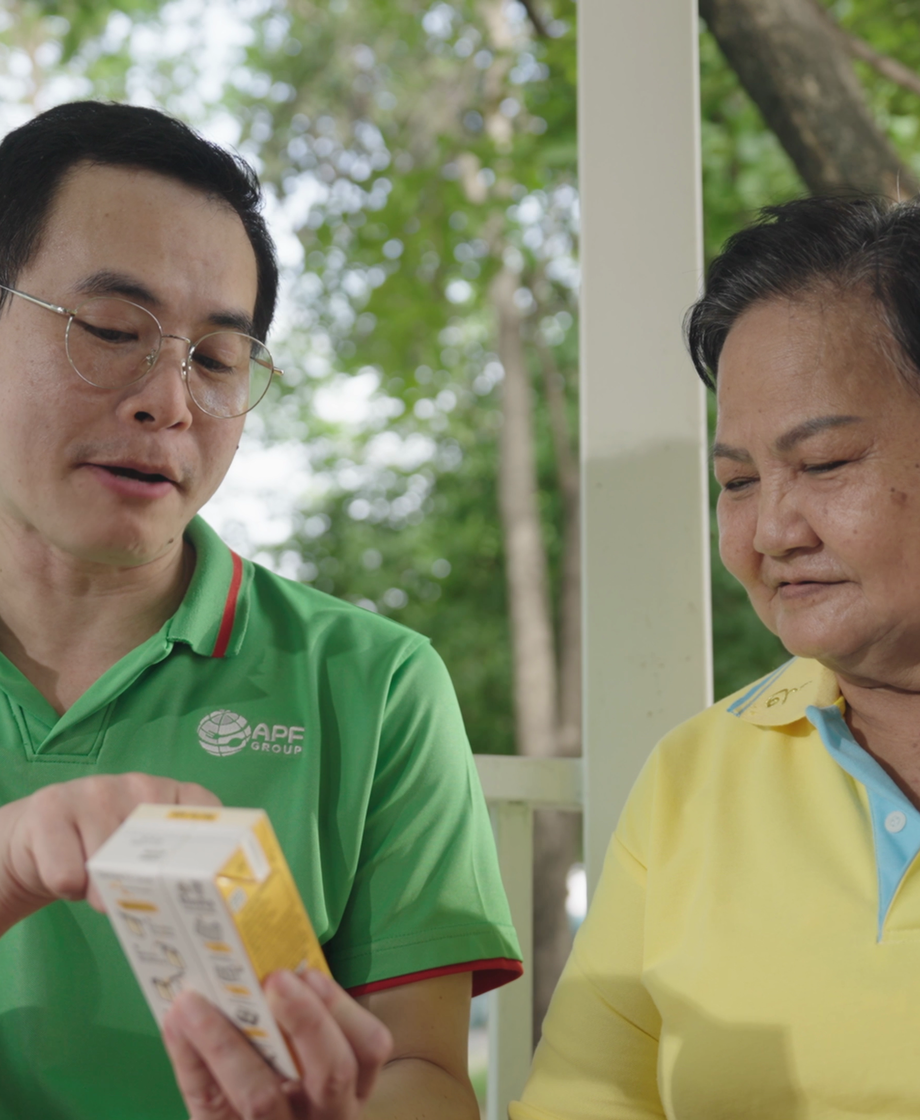
Food
Access to affordable, safe, and nutritious food and beverages is a fundamental human right. Our packaging solutions can help transform the food system and sustainably serve this right.
Our strategy is underpinned by our foundational action areas:
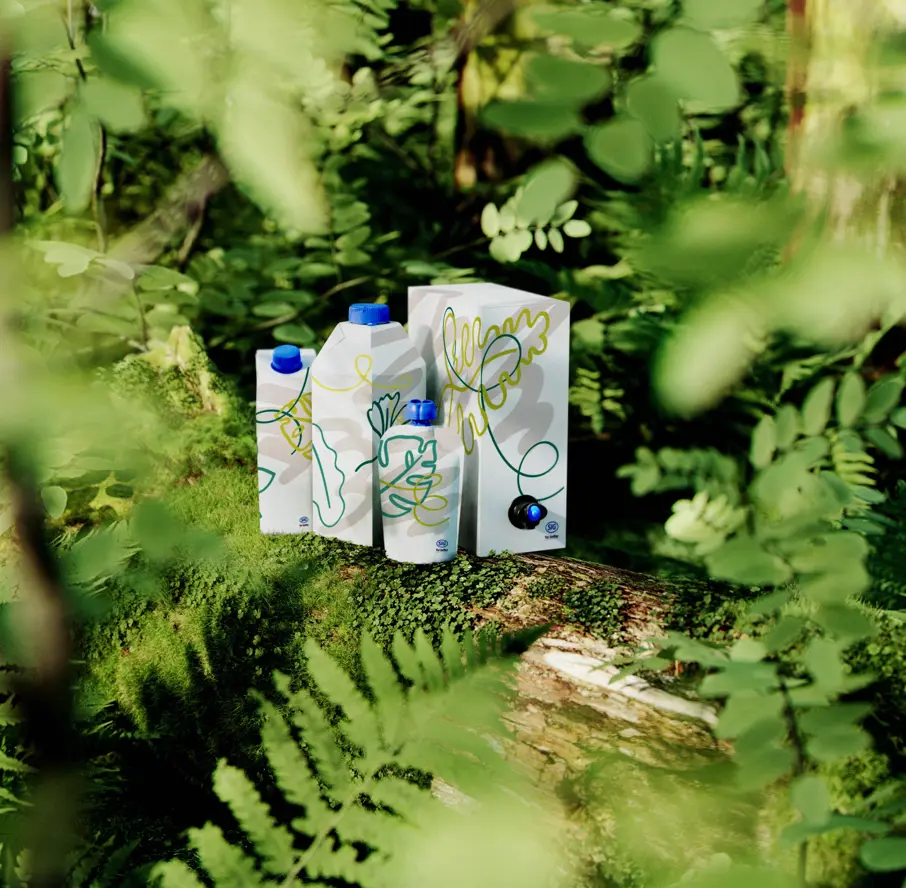
Sustainable innovation

Responsible culture
Sustainability is nothing new at SIG
We have always created packaging that delivers safe, affordable, shelf-stable nutrition – with a smaller carbon footprint than other packaging types like single-use plastic and glass bottles, or cans, proven by ISO-compliant life-cycle assessments, conducted by the independent Institute for Energy and Environmental Research (IFEU), and critically reviewed by an independent panel.1
The further we have travelled, the more ambitious we have become. Now, the path ahead of us stretches out into a more sustainable future. With ambitious targets, we’re leading the way towards a regenerative packaging system.
Annual and CR reports
Our combined Annual and Corporate Responsibility Reports detail our progress towards our sustainability targets as we continue on our journey to create packaging for better.

Explore more about sustainability at SIG


Biodiversity

Cartons for Good
Our starting point
- Standard cartons made of, on average, 75% paperboard, 21% polymers and an ultra-thin layer of aluminum foil
- 28–70% lower carbon footprint than alternative packaging, such as single-use plastic and glass bottles as well as cans (according to full comparative life cycle assessments of packaging systems for food, UHT milk, and non-carbonated soft drinks on the European market1)
- Third-generation filling machines with an industry-leading waste rate (< 0.5%) through highly efficient filling process
Our sustainable innovations
2009
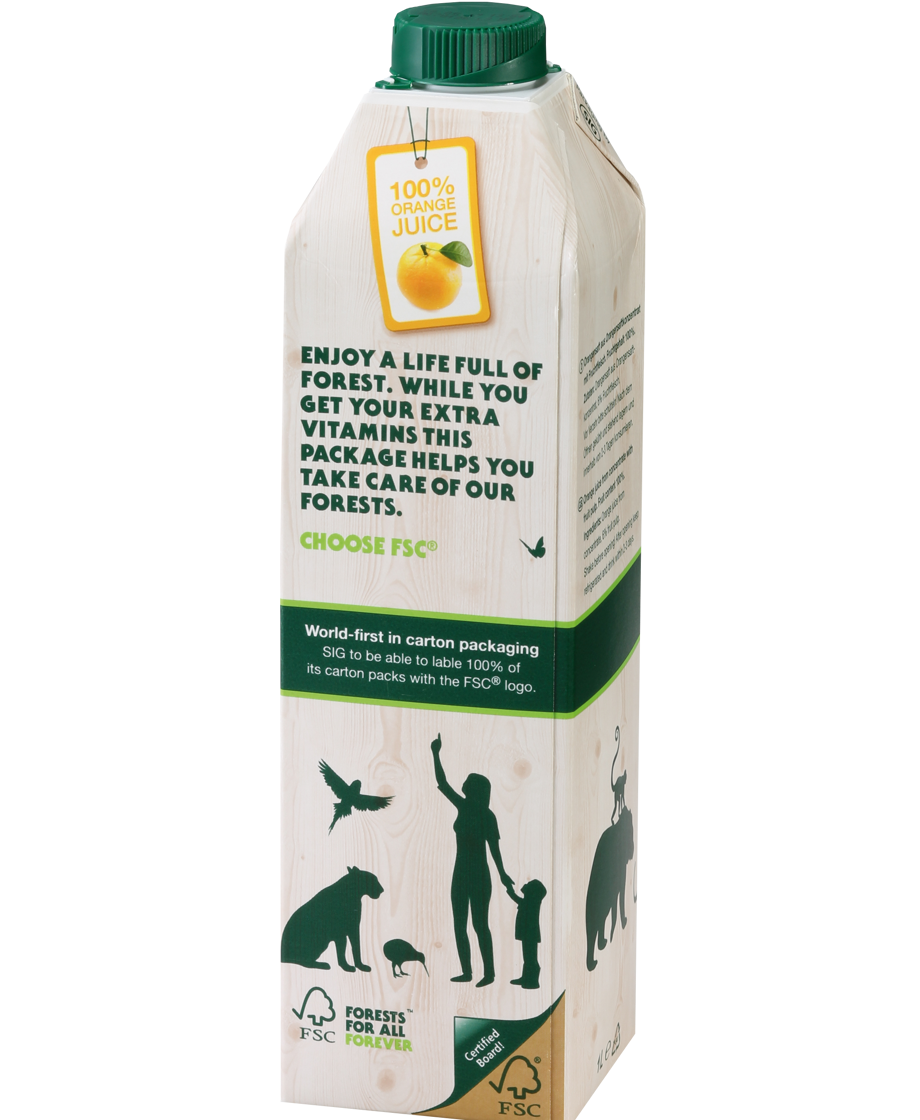
First in our industry to establish worldwide FSC™ Chain of Custody certification4
2010
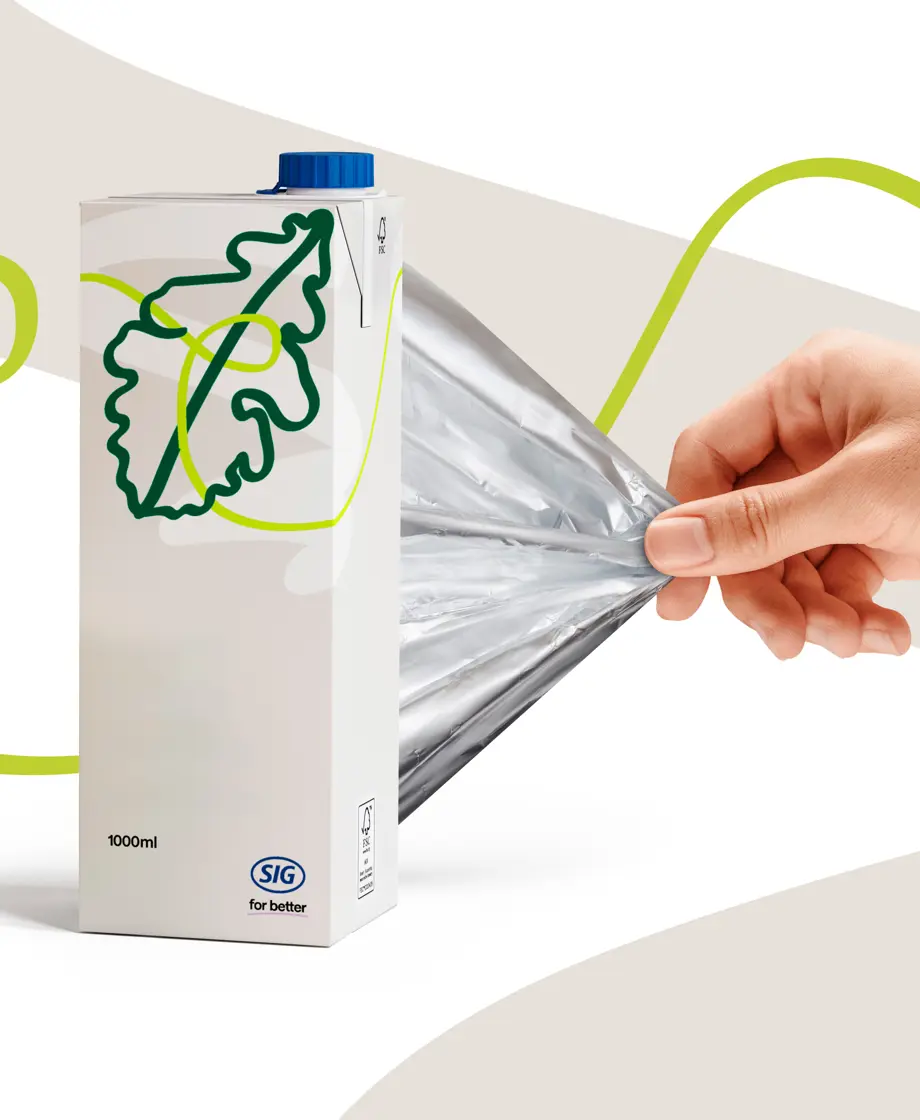
World’s first packaging material for aseptic cartons with no aluminum layer and an up to 23% smaller carbon footprint than SIG’s standard packaging material2
2013
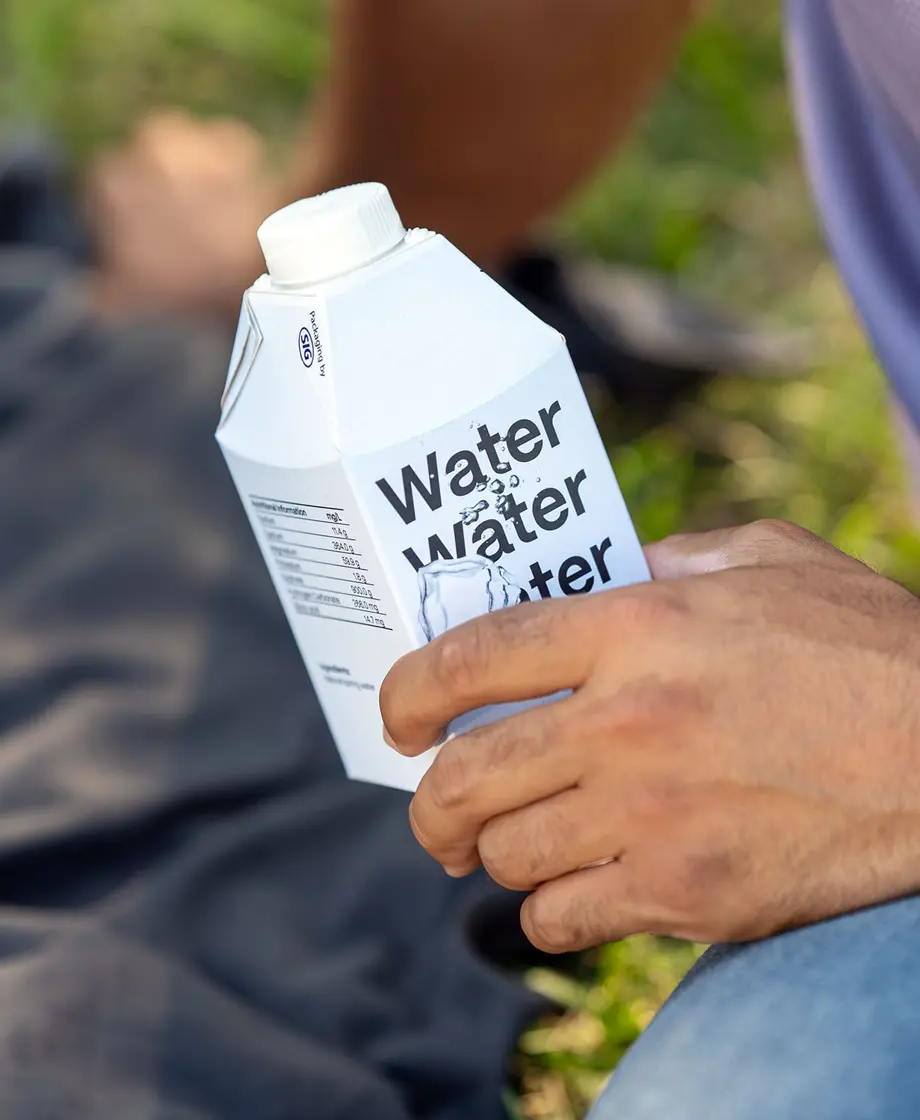
The first aseptic carton that looks and pours like a bottle while offering a new drinking experience for consumers who can now enjoy their favorite drink and help reduce plastic waste
2016
First carton provider to secure sufficient FSC™-certified paperboard to guarantee that every customer can include the FSC™ label4 on any of their SIG packs
2017
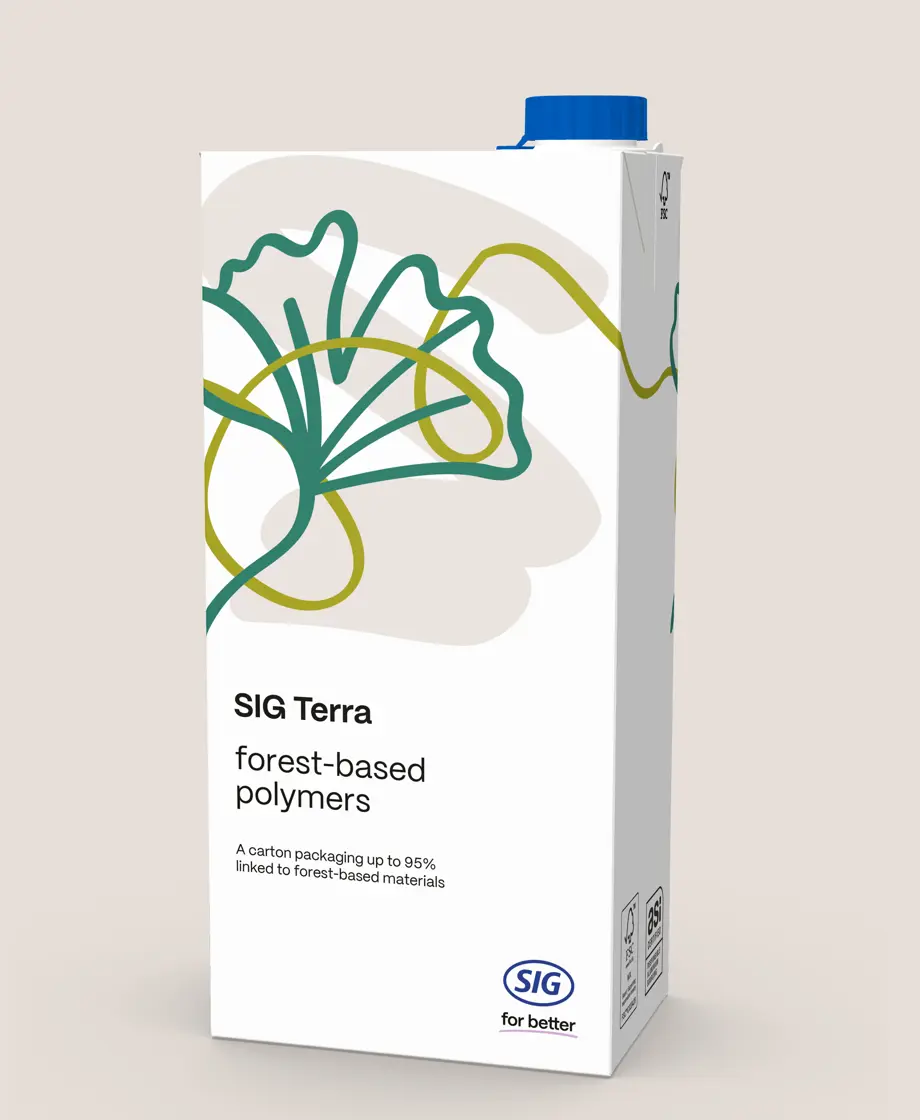
World’s first aseptic carton with all main materials linked to forest-based feedstock3, and with a 63% smaller carbon footprint than SIG’s standard packaging material for aseptic cartons2

2019
World’s first paper straw for aseptic carton packs, made with FSC™-certified4 paper
World’s first aseptic carton packaging materials with ASI-certified aluminum foil5
2020
World’s first aseptic carton packaging material with post-consumer recycled content via polymers linked to recycled plastics5
2021
First in the industry to purchase 100% of our liquid packaging board with FSC™ certification4 for our aseptic cartons
Launch of SIG’s next generation filling machine for family-size aseptic carton packs which reduces carbon for filling and packaging per pack by 25% and consumables (hydrogen peroxide, compressed air, and water) by 30%
2022
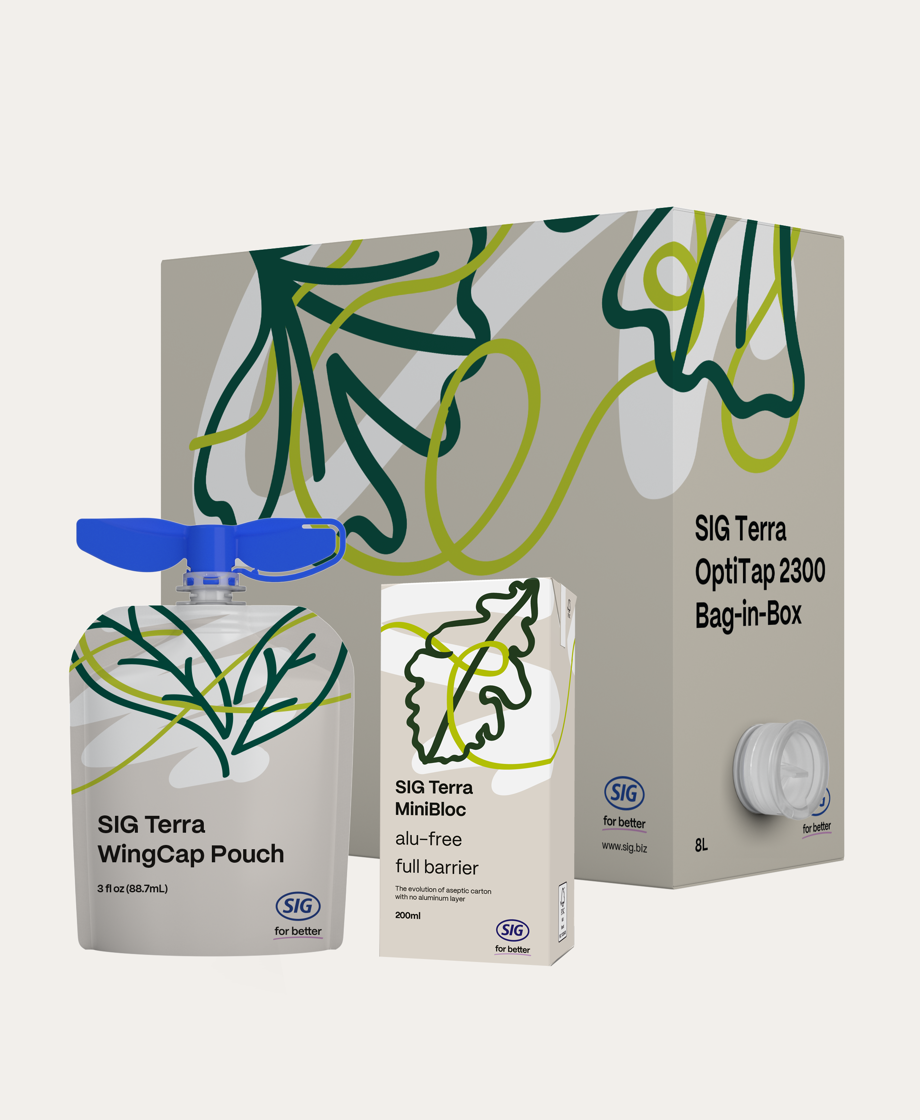
World’s first full barrier aseptic carton with no aluminum layer suitable for all kind of liquid products
Bag-in-box and spouted pouch solutions join our portfolio, including the first APR6-recognized recyclable bag-in-box, the world’s first bag-in-box linked to recycled content5, and a spouted pouch system solution of film and fitment - designed for recycling
2023
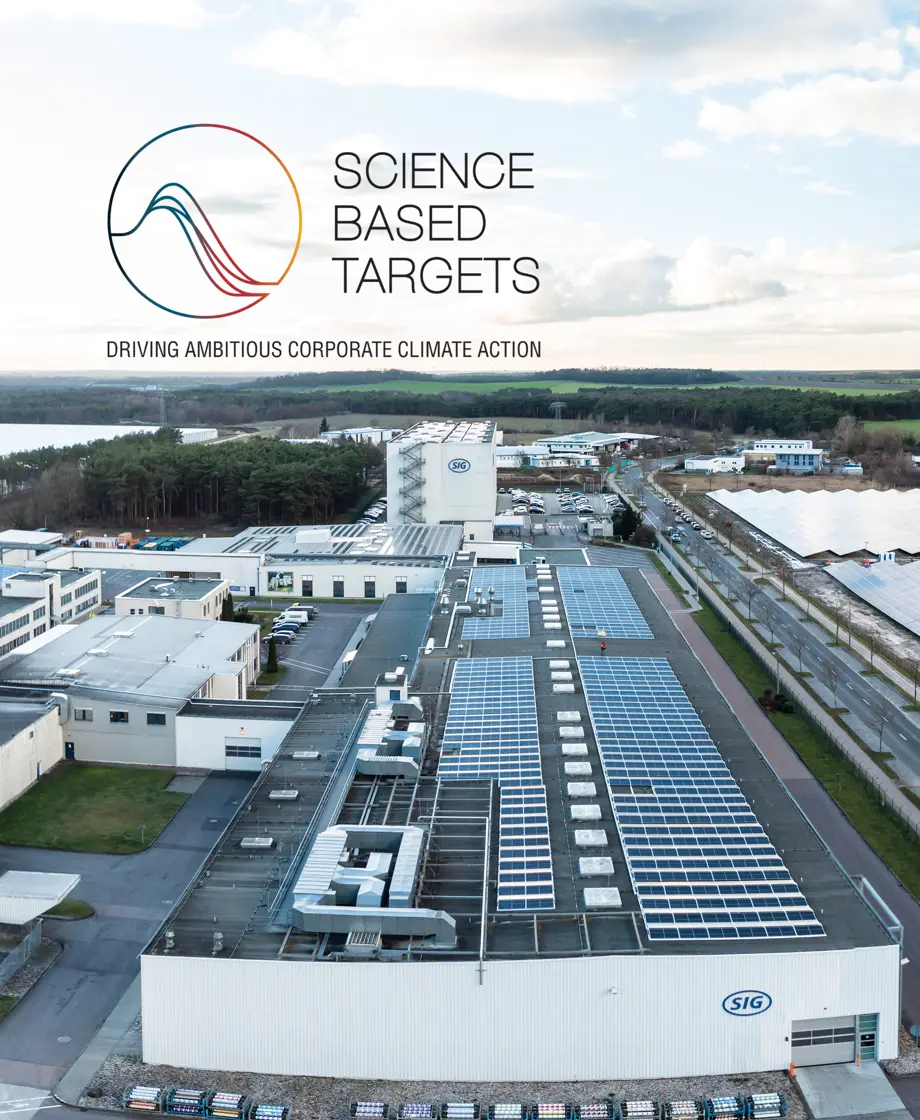
SIG’s path to Net-Zero is approved by the Science Based Targets initiative (SBTi), being among the first 325 companies globally to have its target validated by the SBTi.
2025
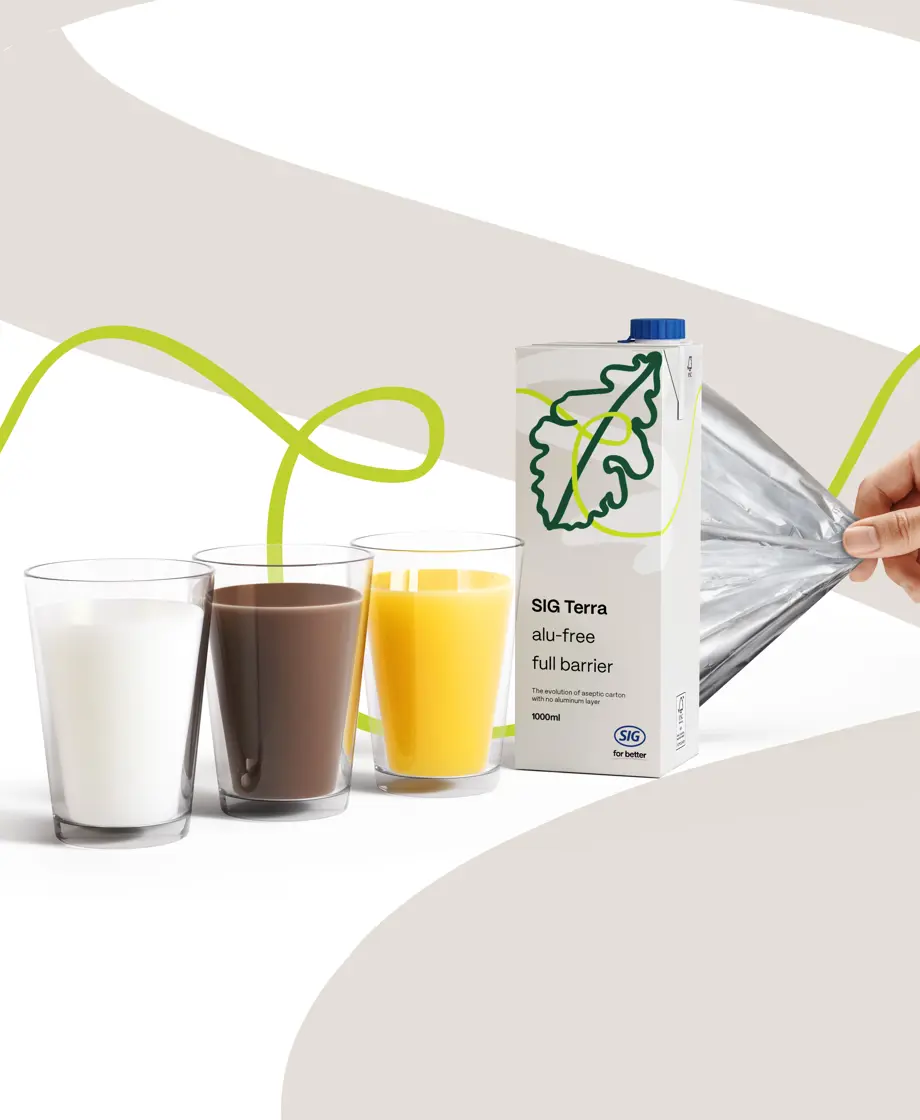
SIG Terra Alu-free + Full barrier in familiy size enters the market – the leading solution for carbon-cutting, high-performance packaging.
With up to 81% paper content and up to 12 months shelf life without the need of refrigeration, it comes as a plug-and-play solution for all main dairy and beverage categories
1 Based on independant ISO-compliant life-cycle assessments
Liquid dairy: Full comparative life-cycle assessment of packaging systems for UHT milk on the European market
Non-carbonated soft drinks: Full comparative life cycle assessment of packaging systems for non-carbonated soft drinks
Food: Full comparative life cycle assessment of sterilised food packaging systems on the European market
2 Results based on independant ISO-compliant life-cycle assessment CB-100734 for Europe
3 Polymers linked to wood residues from paper making via an independently certified mass balance system.
4 FSC™ trademark license code: FSC™ C020428.
5 Via an independently certified mass balance system.
6 Association of Plastic Recyclers.