

Nature+
SIG is committed to leading the way in providing regenerative packaging solutions which contribute to halting and reversing of biodiversity loss, fostering a shift to a nature-positive economy.
Our commitments
- Improve forest landscape management and support thriving forests to provide resilient, self-sustaining natural processes, enabling thriving nature and biodiversity for future generations.
- Halt biodiversity loss and reverse our contribution to biodiversity and nature loss in alignment with the guidance of the Science Based Targets Network (SBTN), by 2030.
- Prevent pollution through setting comprehensive A-material sourcing requirements for upstream low pollution raw materials, water stewardship and related impact mitigation roadmaps, by 2030.
Support thriving forests
Improving forest landscape management and restoration helps secure the renewable resources essential to a planet and ensures long-term material availability from nature-based systems. This approach supports a just transition by protecting ecosystem services and strengthening the resilience of communities that depend on forest landscapes.

Halt biodiversity loss
Halting biodiversity loss is essential for us to build a regenerative packaging system that protects nature across SIG’s entire value chain – from sourcing raw materials to end-of-life impacts. By identifying biodiversity loss drivers and prioritizing action where it matters most, such as preventing pollution, this commitment supports a just transition that safeguards ecosystems and communities reliant on them.

Prevent pollution
Preventing pollution is a key mitigation strategy addressing biodiversity loss drivers and reducing harm to human health and ecosystems across our value chain. SIG product life-cycle assessments cover all relevant environmental impacts including air and water emissions allowing us to detect hotspots along the value chain and react. By tackling major pollution sources – from raw material sourcing to water and waste management – our commitment supports a just transition that protects both nature and the communities connected to it.

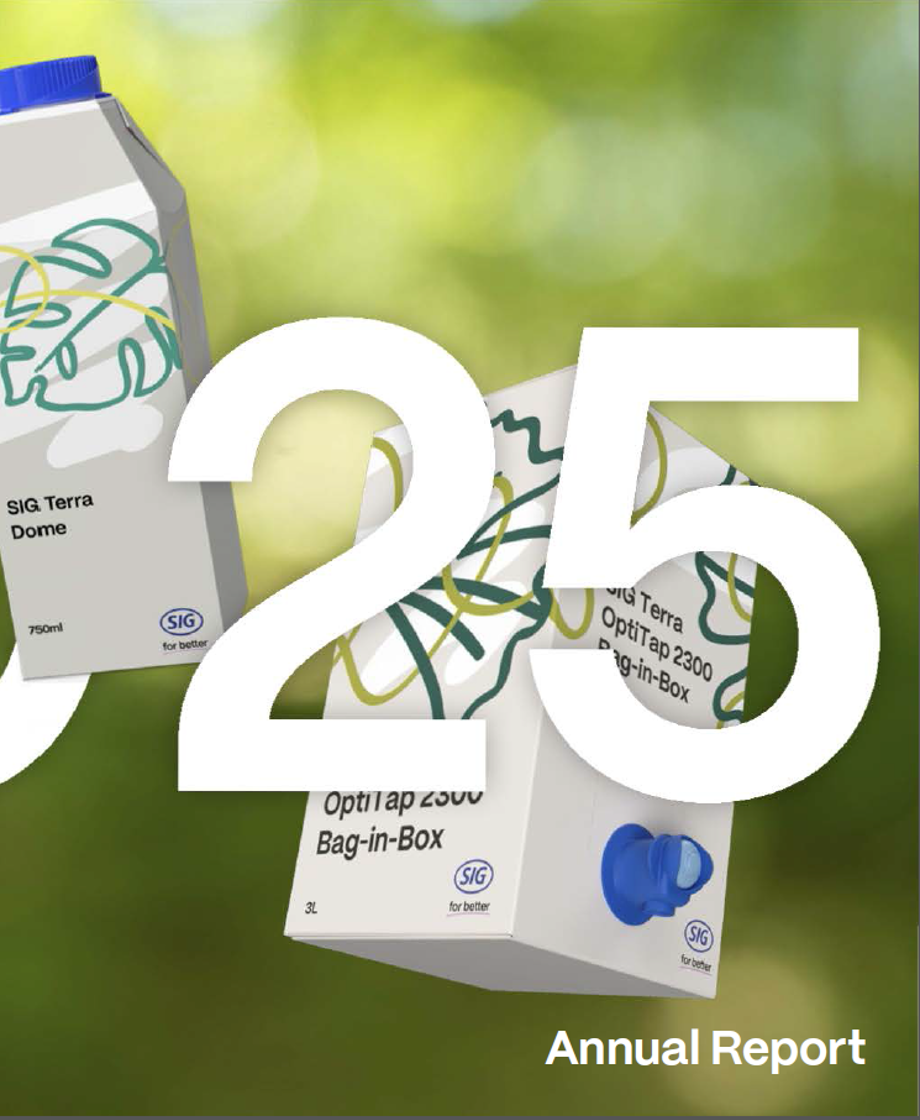
Latest annual and CR report
Full detail of our approach and progress can be found in our combined Annual and CR Report.